

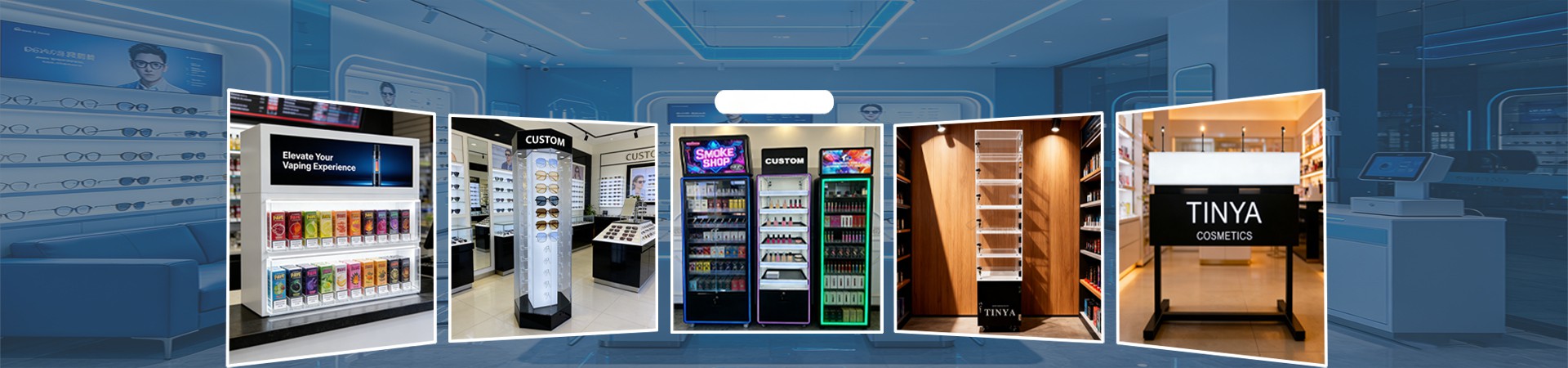
In today's competitive retail environment, presentation is everything. A product may be of exceptional quality, but without the right stage to showcase its value, it risks being overlooked by customers. This is where display stands play a critical role. Among the many materials used in retail displays, acrylic has long stood out for its clarity, durability, and versatility. But the retail world is changing, and so are customer expectations. With the rise of 3D printing, acrylic display stands are entering a new era-one where personalization, design freedom, and faster innovation cycles redefine how brands communicate with their audiences.
Acrylic Display Stands: A Cornerstone of Retail Marketing
Acrylic display stands have become a staple in retail, trade shows, and brand activations. Their high transparency rivals glass, but they are lighter, safer, and easier to shape. This makes them ideal for industries where both aesthetics and functionality are paramount. From cosmetic counters in department stores to smartphone showcases in tech retailers, acrylic stands deliver a professional and polished look that enhances brand presence.
Clarity and elegance: Acrylic allows brands to create a premium display that highlights product details without distractions.
Durability and versatility: Unlike wood or metal, acrylic is lightweight, weather-resistant, and highly adaptable to different forms.
Cost-effective customization: Acrylic stands can be produced in various colors, finishes, and structural designs, giving brands the ability to reinforce their identity at the point of sale.
For audiences such as luxury shoppers, gadget enthusiasts, and design-conscious consumers, these stands are not just functional-they shape the buying experience by making the product more appealing and accessible.
The Shift Toward Personalization in Retail
Consumer expectations have evolved dramatically. Today's shoppers value unique experiences and want brands to reflect their individuality. A one-size-fits-all display no longer delivers the same impact. Retailers are increasingly seeking solutions that allow for customization at scale, quick adaptation to new product launches, and standout designs that capture attention in crowded marketplaces.
This is where traditional acrylic fabrication methods-such as laser cutting, bending, and bonding-start to show limitations. While they remain effective, they often involve molds, significant setup costs, and limited design freedom. For brands rolling out seasonal campaigns or localized marketing, these constraints can be a bottleneck.
3D Printing: A Game-Changer for Acrylic Display Stands
The introduction of 3D printing into the world of acrylic displays is transformative. Instead of relying on molds or pre-set shapes, 3D printing allows designers and marketers to bring even the most complex ideas to life directly from digital files. This convergence of technology and material opens up a wide range of possibilities.
Freedom of Design
Retailers can now experiment with organic forms, intricate patterns, or bold geometric structures that would be difficult-or even impossible-to achieve using traditional fabrication. For example, a cosmetics brand could print sculptural floral shapes to highlight a new fragrance line, while a beverage company could create a stand shaped like a wave or splash to reinforce its brand message.
Cost-Effective Prototyping and Small-Batch Runs
Many marketing campaigns require limited quantities of display stands, especially for pop-up shops, flagship stores, or promotional events. 3D printing removes the cost of tooling and molds, making small-batch production economically viable. This is particularly attractive for brands that frequently test new product packaging or seasonal displays.
Faster Time to Market
In retail, speed is crucial. 3D printing allows brands to iterate designs quickly and have ready-to-use stands in days rather than weeks. For industries like electronics or fashion, where product cycles are fast, this agility provides a competitive edge.
Personalization at Scale
Perhaps the most exciting advantage is personalization. With digital design files, it becomes possible to adjust stands for different regions, stores, or even customer demographics. Imagine a luxury watch brand customizing displays for different cities, incorporating local cultural elements into each design while keeping the brand identity consistent.


The Marriage of 3D Printing and Acrylic Materials
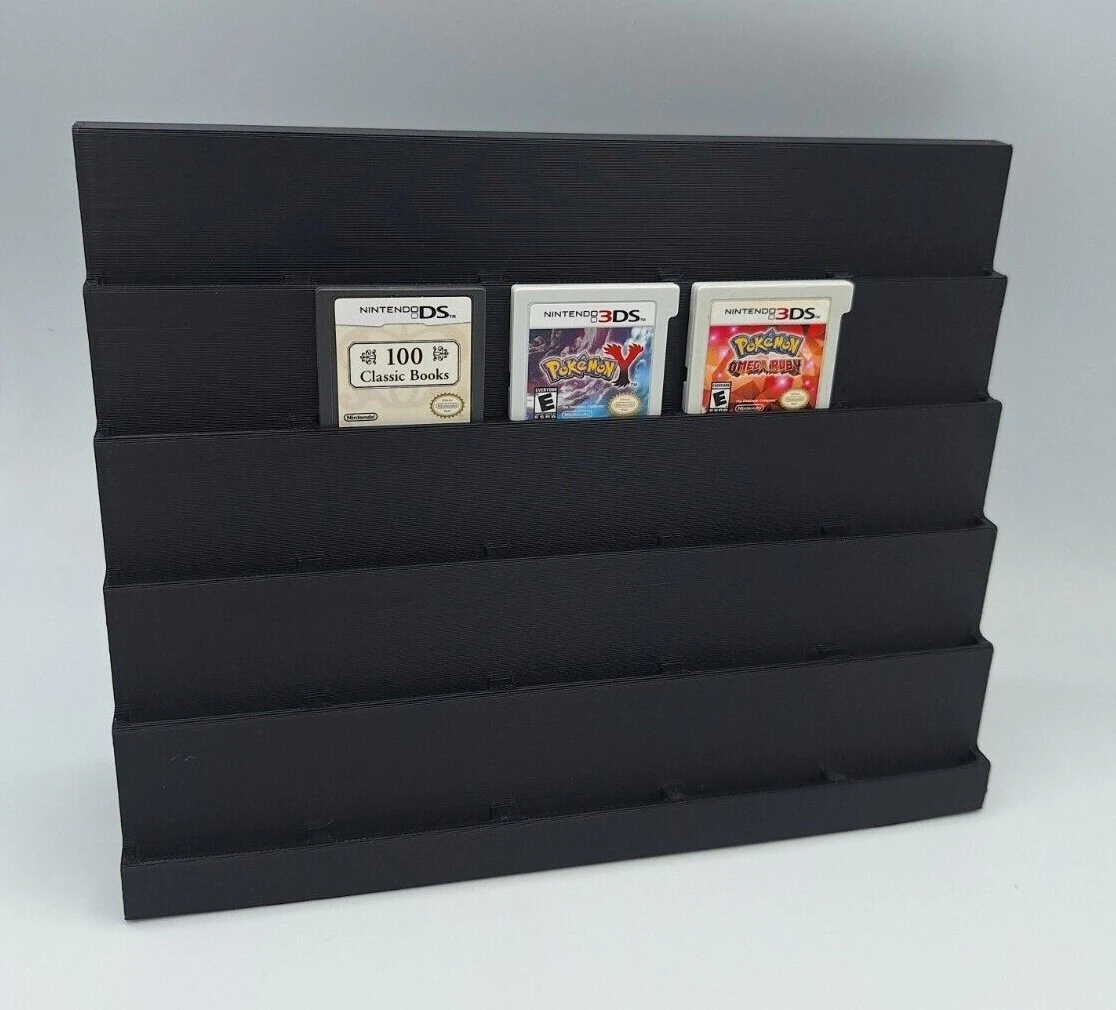
While 3D printing often uses resins, plastics, or metals, combining it with acrylic sheets and panels creates a synergy of strength, beauty, and functionality. The result is not a replacement of acrylic but rather an enhancement of what it can offer.
Hybrid Structures: 3D-printed components can form the skeleton or decorative elements, while acrylic panels provide clarity and structure. This reduces weight and cost while maximizing visual impact.
Light Effects: Acrylic is known for its excellent light transmission. When paired with 3D-printed elements, designers can create backlit or edge-lit effects that draw attention to the product. This is especially powerful in beauty counters or tech stores where lighting plays a big role in presentation.
Sustainability: Both 3D printing and acrylic offer opportunities for recycling and reducing waste. With more eco-conscious consumers influencing retail choices, brands can highlight the sustainable aspects of their display solutions as part of their storytelling.

Applications Across Industries
The combination of 3D printing and acrylic display stands is not confined to one niche-it stretches across multiple industries.
Cosmetics and Beauty: From lipstick holders shaped like blooming flowers to perfume towers illuminated with LED backlighting, beauty brands can use personalized displays to enhance the aspirational experience that drives purchases.
Electronics and Gadgets: High-tech products demand equally innovative displays. Acrylic stands integrated with 3D-printed geometric designs and lighting effects emphasize modernity, precision, and sophistication.
Food and Beverages: Acrylic stands with playful, 3D-printed thematic designs-such as soda waves, chocolate drips, or fruit motifs-create an emotional connection with customers and boost impulse purchases.
Luxury Retail and Fashion: Exclusive, limited-edition stands for jewelry, watches, or designer accessories not only protect valuable items but also underscore exclusivity and craftsmanship, which are central to the luxury market.
Trade Shows and Exhibitions: Exhibitors constantly compete for attention. A unique stand, made possible by 3D printing and acrylic, can become the centerpiece of a booth, reinforcing brand messaging and attracting foot traffic.
In each of these sectors, the audience group is clear: consumers who are style-conscious, brand-aware, and willing to pay for experiences that feel unique and personal. Acrylic display stands become more than a backdrop-they become part of the brand narrative.


Addressing Challenges
Of course, the integration of 3D printing into acrylic display stand production is not without challenges. Material costs for advanced 3D printing filaments remain high, large-scale printing can be time-consuming, and the technology requires skilled operators. However, these hurdles are gradually being addressed as the technology matures.
Moreover, customer education plays a key role. Many retailers are not yet aware of the potential of combining 3D printing with acrylic. Case studies, pilot projects, and visible success stories will help the industry gain confidence in this approach.
The Road Ahead: A Personalized Display Future
Looking forward, the retail display industry is poised for a transformation driven by three key forces: personalization, speed, and sustainability. 3D printing enables all three. Acrylic display stands, already beloved for their beauty and practicality, will only grow in relevance as they evolve into platforms for creative storytelling.
Brands that embrace this fusion early will stand out. They will not only offer consumers visually striking experiences but also demonstrate agility, innovation, and commitment to sustainable practices. For retailers, this is no longer a futuristic idea but an urgent opportunity to remain competitive.
3D printing is more than a new production method-it is a catalyst for redefining how acrylic display stands function in the modern retail landscape. Together, they enable freedom of design, cost efficiency for small runs, and highly personalized solutions that speak directly to diverse audiences.
As shoppers continue to seek individuality and immersive experiences, acrylic display stands powered by 3D printing will become indispensable tools for brand storytelling and retail success. The new era of personalized retail presentation is here, and those who adopt it early will lead the way into the future of consumer engagement.