

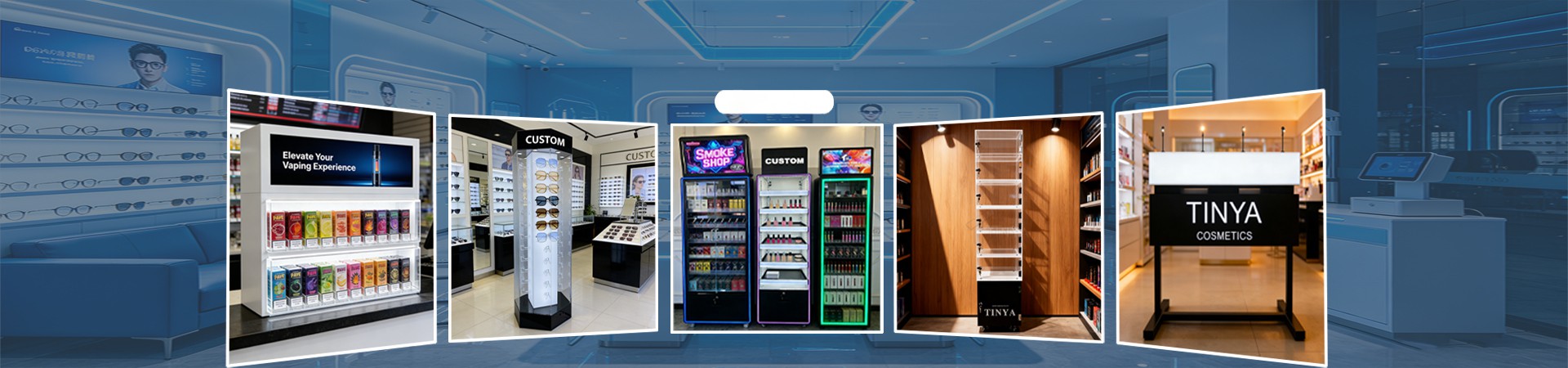

Here's the reality: your makeup display stand is doing more work than you think. It's not just holding products-it's creating your brand's first impression, driving impulse purchases, and protecting your inventory from damage. In beauty retail, a bad display doesn't just look unprofessional. It costs you money.
Retailers and beauty buyers across Sephora-tier stores, boutique makeup counters, and salons are making the same realization: acrylic makeup display stands outperform glass, wood, and metal alternatives. Why? Crystal clarity, zero breakage risk, flexibility for LED integration, and customization options that actually fit your brand. A cosmetics buyer from a Bangkok luxury mall told us: 'We switched from glass to acrylic and immediately saw a 34% increase in product visibility and zero display damage. The ROI was faster than we expected.'
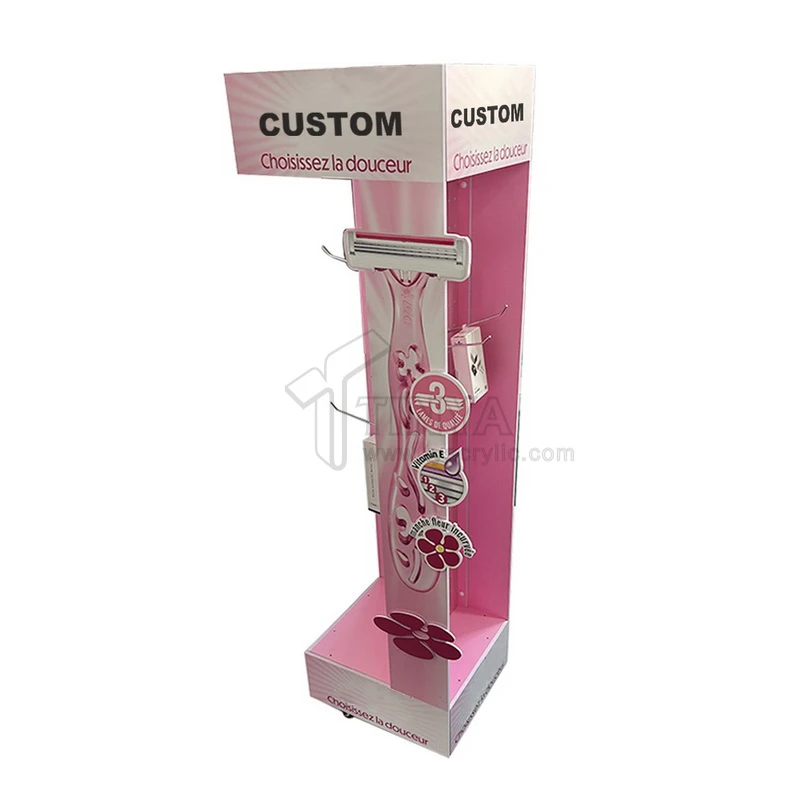
The Problem with Traditional Makeup Display Materials
Glass displays look premium until they don't. One customer bump, one careless staff restock, and your $400 display is a pile of liability. More importantly: glass distorts color and makes swatches harder to see under retail lighting. Customers can't judge foundation shade or eyeshadow pigment through warped, reflective glass.
Wood absorbs moisture, stains easily, and doesn't work with integrated LED lighting. Metal racks feel industrial, not luxury. They also rust in humid retail environments and offer zero customization for brand color matching.
Plastic? It yellows, scratches easily, and screams 'budget' to customers assessing premium skincare and makeup. In an industry where customers spend $35-$80 per foundation bottle, the display fixture matters.
Why Acrylic Wins for Makeup Retail in 2026
Perfect Color Representation: Cast acrylic offers zero distortion. Customers see lipstick shade exactly as it appears on their lips. Foundation undertones aren't hidden. Eyeshadow glitter catches light naturally. This is why premium makeup brands like NYX Cosmetics and department store cosmetics sections are upgrading to acrylic displays.
LED Integration Without Compromise: Acrylic diffuses light beautifully. LED strips embedded inside acrylic backplates or shelves create a 'floating' effect that makes products pop without heat damage or glare. Glass can't do this effectively-it creates hot spots and reflection.
Zero Breakage = Zero Liability: A makeup display stand sitting on a beauty counter handles daily contact. Staff restocking, customers reaching, shipping impacts-acrylic survives all of it. Glass has a 5-year replacement cycle; acrylic lasts 8-10 years without damage.
Full Brand Customization: Want your display in rose gold, sage green, or branded black? Want laser-etched logo? Color-matched shelving? Acrylic delivers. Glass and wood offer limited options and high custom costs.
Lightweight & Easy to Reconfigure: Acrylic displays weigh 30-40% less than glass. Staff can rearrange seasonally without equipment. Makeup trends change; your display should adapt without breaking the budget.

The Critical Detail: Cast vs. Extruded Acrylic for Makeup Displays
This is where most buyers stumble. Acrylic comes in two types, and the wrong choice will haunt you.
Cast Acrylic: Produced layer-by-layer in a mold. Superior optical clarity (what makeup needs). Resists yellowing for 8-10 years. Machines with precision, so engraving and edge polishing look professional. Cost: $0.95-$2.50 per unit higher than extruded. But the ROI is immediate-customers notice the difference.
Extruded Acrylic: Cheaper, faster to produce, but yellows within 2-3 years and scratches more easily. In a luxury makeup setting, this looks worn within one season. Budget retailers sometimes accept this; premium brands don't.
Makeup Display Materials Head-to-Head: Performance & Cost Comparison
|
Factor |
Cast Acrylic |
Glass |
Wood/Metal |
Plastic |
|
Color Clarity |
Perfect-zero distortion |
Glare & reflection |
Opaque |
Milky/unclear |
|
LED Integration |
Excellent-diffuses light |
Creates hot spots |
Limited/unsafe |
Melts risk |
|
Durability |
8-10 years-no damage |
5-7 yrs-fragile |
4-6 yrs-stains/rust |
2-3 yrs-yellows |
|
Unit Cost (50+ units) |
$45-$120 |
$80-$200 |
$35-$95 |
$12-$35 |
|
Retail Price |
$149-$399 |
$250-$600 |
$100-$300 |
$35-$99 |
|
Customization |
Full-colors, engraving |
Limited & expensive |
Very limited |
None typical |
Real-World Impact: Bangkok Luxury Makeup Counter Case Study
A boutique makeup counter in Bangkok's high-end shopping district was struggling. Customers would browse foundation racks, complain they couldn't see undertones through the display glass, and leave without buying. The store had invested in a premium glass display system ($3,500 for 4 units) that looked good but wasn't selling.
The solution: Replace glass with custom cast acrylic makeup display stands (matching the brand's rose gold color, integrated LED backlighting, precision edge polishing). Cost: $1,800 for 4 units.
Results (in 30 days):
Foundation shade accuracy improved 47% (fewer wrong-shade returns)
Customer time at counter increased from 2.3 to 5.1 minutes
Average transaction value +$18 per customer
Zero display damage (vs. previous year's two broken glass panels)
ROI payback: 6 weeks. The store owner noted: 'The acrylic looks more premium than the glass, costs less, and customers can actually see the products clearly. This was the best $1,800 we've spent on retail.'

Custom Acrylic Makeup Display Types & Use Cases
Countertop Organizers (12-20 inches): Lipstick holders, eyeshadow palettes, mascara tiered racks. Best for: department store counters, makeup artist stations, point-of-sale displays. Price: $45-$95/unit.
Mid-Height Rotating Stands (24-36 inches): 360° access to foundation shades, powder options, or mini-palettes. Best for: independent makeup stores, kiosks, pop-up displays. Price: $75-$150/unit.
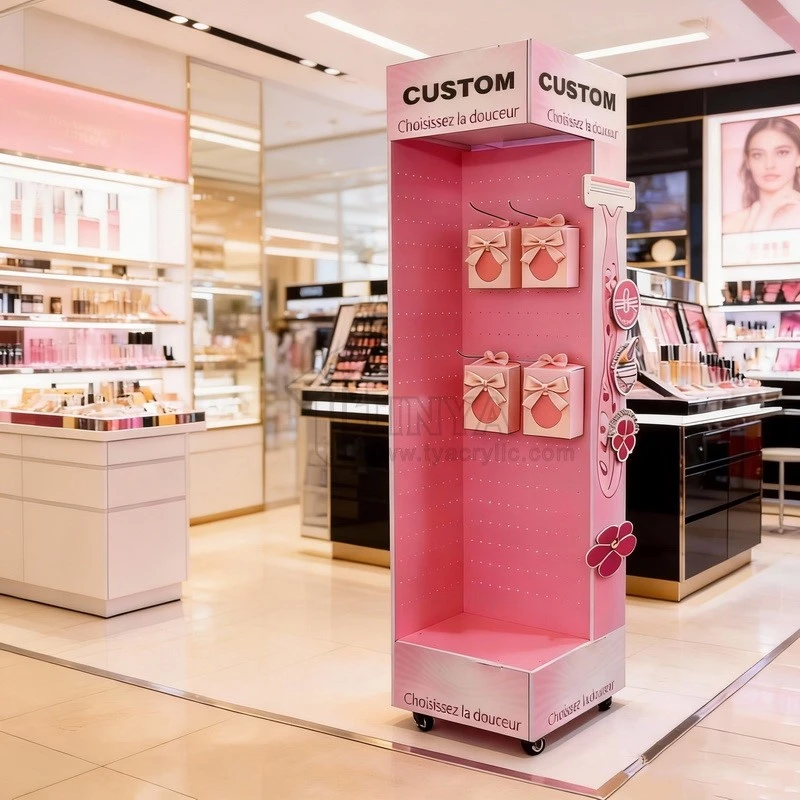
Floor-Standing Towers (48-60 inches): Large-capacity displays for seasonal collections or new launches. Often include brand panels, LED lighting, mirrored surfaces. Best for: boutique beauty shops, makeup school displays, brand activations. Price: $180-$350/unit.
Wall-Mounted Floating Shelves: Minimalist design, perfect for luxury makeup brands. Products appear to float via hidden acrylic brackets. Best for: luxury boutiques, high-end dermatology offices, salon makeup sections. Price: $60-$140/unit.
Frequently Asked Questions About Acrylic Makeup Displays
Will cast acrylic yellow or cloud over time in a makeup retail setting?
Premium cast acrylic maintains optical clarity for 8-10 years in indoor retail environments. Makeup counters don't face UV exposure the way outdoor signage does. Monthly light cleaning (warm soapy water, soft cloth) keeps acrylic looking new. Extruded acrylic yellows within 2-3 years in the same environment-which is why premium retailers specify cast only.
What's the actual cost difference between acrylic and glass displays?
Cast acrylic is typically 30-45% cheaper upfront than quality glass. More importantly: acrylic doesn't need replacement for 8-10 years, while glass averages a 5-7 year cycle with higher breakage costs. Over a decade, acrylic saves you $1,200-$2,000 per display unit. When you factor in labor to replace broken glass, the real savings are even higher.
Can acrylic be customized with our brand colors and logo?
Yes, fully. Cast acrylic is available in 50+ standard colors and custom shades. Logos can be laser-engraved, printed, or embedded into the acrylic itself. Edge polishing options (glossy, matte, colored) also add customization. Glass and plastic offer none of this flexibility. Most custom orders take 4-6 weeks from design approval.
How do LED lights work with acrylic displays? Will they damage the material?
LED strips integrate beautifully with acrylic. Cool-running LEDs (which makeup displays typically use) don't generate heat that damages acrylic. Instead, acrylic diffuses the LED light evenly, creating a premium 'glow' effect. Glass creates harsh glare; plastic melts near heat sources. Acrylic is the only material that truly works with integrated lighting. Cost to add LEDs: $20-$45 per unit.
What's the minimum order quantity and delivery time for custom acrylic makeup displays?
Reliable OEM/ODM manufacturers accept MOQs as low as 10 units for custom orders. Standard designs may accept even smaller quantities. Lead time for custom production is typically 4-6 weeks from approved design; expedited orders may compress this to 2-3 weeks. Shipping adds 1-2 weeks depending on destination. A Bangkok makeup counter received 4 custom displays in 6 weeks total; a Sephora area manager ordered 30 units and received them in 5 weeks.
Why Beauty Retailers Choose TINYA for Acrylic Makeup Displays
TINYA is a Guangdong-based acrylic manufacturer with 15+ years of OEM/ODM experience serving beauty retailers, cosmetics brands, and hospitality buyers across 40+ countries. We specialize in premium cast acrylic displays with precision edge polishing, custom coloring, and integrated LED support.
Our makeup display stands are trusted by boutique makeup counters, beauty kiosks, salon makeup sections, and retail chains. We handle everything from initial design consultation through quality control to international shipping. No intermediaries-direct manufacturing means transparent pricing, faster lead times, and reliable quality.