

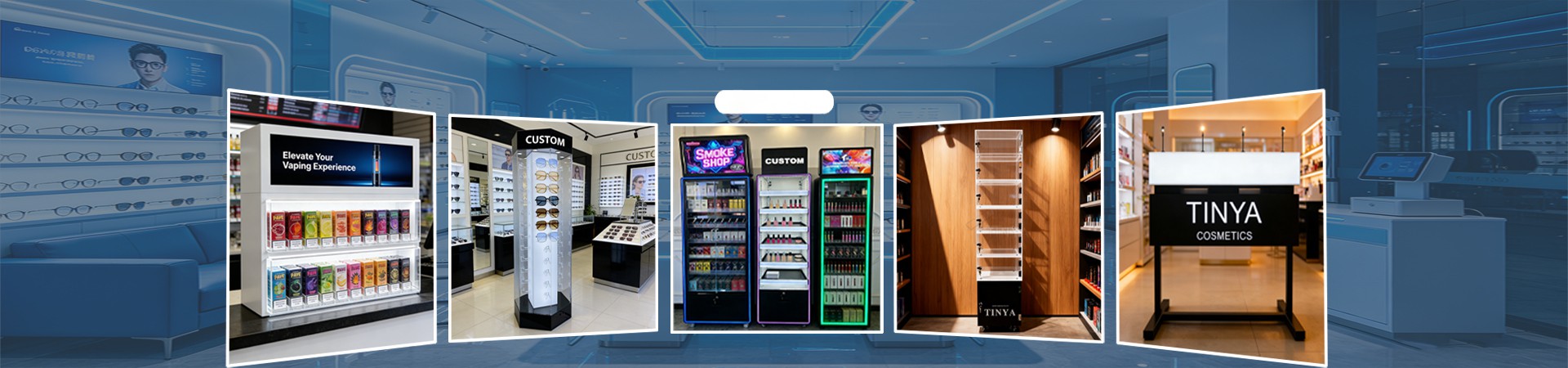

How to Design a Cosmetic Display Stand That Increases Sales
Transform your point-of-sale displays into powerful sales tools with strategic design that combines consumer psychology, brand identity, and functional aesthetics.
In today's highly competitive market, businesses need a two-pronged approach to thrive: focusing on both product quality and sophisticated marketing strategies. Skincare, cosmetics, and personal care brands compete not only in formulations and packaging but also in how their products are displayed at the point of sale. A well-designed cosmetic display stand can subtly achieve what even the best salespeople sometimes cannot: attracting attention, conveying brand value, influencing purchasing decisions, and ultimately boosting sales.
This article explores how to design a cosmetic display stand that truly works-from understanding consumer psychology to balancing aesthetics and functionality, and from material selection to storytelling through visual merchandising. Whether you are a brand owner, retailer, or display manufacturer, these insights can help turn your display into a powerful sales tool.

Why Cosmetic Display Design Matters More Than Ever
Walk into any beauty store or department store, and you will see hundreds, sometimes thousands, of products competing for attention. Most consumers make purchase decisions within seconds. In that short window, the display stand becomes the first "conversation" between the brand and the customer.
✔ Stop shoppers in their tracks
✔ Highlight key products or promotions
✔ Reinforce brand positioning (luxury, natural, trendy, professional)
✔ Encourage customers to touch, test, and explore
✔ Increase perceived value and trust
On the other hand, a poorly designed stand can make even high-quality products look generic, confusing, or unappealing. In short, display design is not decoration-it is a silent salesperson.

👉 Have a cosmetic brand display project? Our 20-year OEM/ODM expertise delivers custom stands tailored to your brand identity and sales goals. Enquire now for a free design quote!
Start With Consumer Behavior, Not Design Trends
One common mistake brands make is designing a display based purely on trends or personal taste. While aesthetics matter, effective design begins with understanding how customers behave in real retail environments.
Key Questions to Consider First:
?Who is the target customer? (Age, gender, lifestyle, spending habits)
?Where will the stand be placed? (Department store, pharmacy, boutique, duty-free, pop-up)
?How much time will customers spend in front of it?
?Are they browsing casually or shopping with a clear goal?
For example: A young, trend-driven audience responds well to bold colors, LED lighting, and social-media-friendly layouts. A premium skincare customer prefers clean lines, neutral tones, and an organized, calm presentation that suggests expertise and trust. In high-traffic areas, the display must communicate its message instantly, without requiring explanation.
Design decisions should always support how real people shop, not just how the stand looks in a rendering.

Clear Brand Identity Is the Foundation
A cosmetic display stand should feel like a physical extension of the brand. When customers see it, they should immediately recognize what kind of brand it is-even before reading the logo.
Key Brand Elements to Integrate:
✎ Brand colors and typography
☁ Logo placement (visible but not overwhelming)
❤ Tone of voice (luxury, playful, scientific, natural)
Core brand values
Examples of Brand Alignment:
Natural/organic brands:
Wood textures, soft lighting, earthy colors, minimal graphics
Luxury brands:
Glossy finishes, metal accents, symmetry, controlled lighting
Professional/dermatological brands:
Structured layouts, white/neutral palettes, educational graphics
Consistency builds trust. When the display matches the brand's packaging, advertising, and online presence, customers feel confident they are making the right choice.

Design for Visibility and Attraction
Before a display can sell, it must first be seen.
Height and Structure
A good display stand uses vertical space wisely. Eye-level placement is critical for hero products, while taller back panels or headers help the stand stand out from a distance.
Lighting
Lighting is one of the most powerful yet underused tools in cosmetic displays. Proper lighting can:
- Enhance product colors
- Create a premium feel
- Draw attention to new or featured items
Soft, even lighting works well for skincare, while brighter, focused lighting can energize makeup displays.
Color Contrast
Contrast helps products pop. If packaging is light, use a darker background. If packaging is colorful, keep the structure more neutral. The goal is to make products easy to identify at a glance.

👉 Need a display stand that highlights your hero products with optimal lighting and structure? Our team creates custom solutions to maximize product visibility-send us your requirements today!
Make the Display Easy to Understand
Confusion kills sales. A customer should understand what the products are, who they are for, and why they are special-all within a few seconds.
Logical Layout
Group products by category, function, or step (for example: cleanse, tone, treat, moisturize). This not only looks organized but also educates customers on how to use the products together, encouraging multiple purchases.
Clear Signage
Use concise, benefit-driven messaging rather than long descriptions. Examples:
- Hydration for Dry Skin
- Best Seller
- New Arrival
- Dermatologist Tested
These cues guide customers without overwhelming them.

Encourage Interaction and Testing
Cosmetics are sensory products. Customers want to touch, test, smell, and experience them before buying.
An effective display stand includes:
Provides testers in a clean, accessible way Includes mirrors for makeup products
Offers tissues, cotton pads, or applicators Keeps everything well-organized and hygienic
Interactive elements increase engagement time, and the longer a customer interacts with a product, the higher the chance of purchase. Even simple features-like angled shelves that make products easier to pick up-can significantly improve the user experience.

Use Storytelling to Build Emotional Connection
Great cosmetic displays don't just show products; they tell a story.
What to Tell in Your Story:
Visual Storytelling Tools:
The origin of ingredients
Lifestyle images
The science behind the formula
Short brand stories on panels
A beauty philosophy or lifestyle
Before-and-after visuals
A transformation or result
Icons that explain key benefits
When customers emotionally connect with a story, they are more likely to trust the brand and remember it later.

Balance Aesthetics With Practicality
A beautiful display that is hard to restock, clean, or transport will quickly become a problem for retailers.
Good display design considers:
Easy replenishment
Durability & stability
Resistance to wear
Modular parts
Choose the Right Materials
Material choice affects not only appearance but also cost, durability, and sustainability.
Common Materials:
- Acrylic: modern, clean, good for makeup
- Wood/MDF: warm, natural, premium
- Metal: durable, industrial, high-end
- Plastic: lightweight, cost-effective
Sustainability Focus:
More brands are now considering eco-friendly materials, such as recycled plastics or certified wood, to align with sustainability values. This can also be a strong selling point when communicated clearly.
Design for Flexibility and Campaigns
The beauty industry moves fast. New launches, seasonal promotions, and limited editions are constant.
A smart display stand:
✔ Allows easy graphic changes
✔ Can highlight new products without redesigning everything
✔ Supports promotional messaging
Modular designs or interchangeable panels help brands stay fresh and relevant without excessive cost.

Measure and Improve
Finally, the best display designs are not static. They evolve based on feedback and results.
Brands should:
Track sales before and after installation
Observe customer behavior around the display
Gather feedback from retail staff
Adjust layout, lighting, or messaging as needed
Small changes-such as moving a hero product to eye level or simplifying signage-can lead to noticeable sales improvements.
👉 Looking for a flexible, modular cosmetic display stand for seasonal campaigns? Our customizable solutions adapt to your new product launches-contact us to discuss your project!
A Display Stand Is an Investment, Not an Expense
Designing a cosmetic display stand that increases sales is both an art and a strategy. It requires understanding customers, respecting brand identity, and translating marketing goals into a physical experience.
When done right, a display stand does more than hold products. It attracts attention, builds trust, tells a story, and gently guides customers toward a purchase decision.
In a crowded beauty market, where first impressions matter more than ever, a thoughtfully designed cosmetic display stand can be the difference between being noticed and being ignored-and between browsing and buying.