

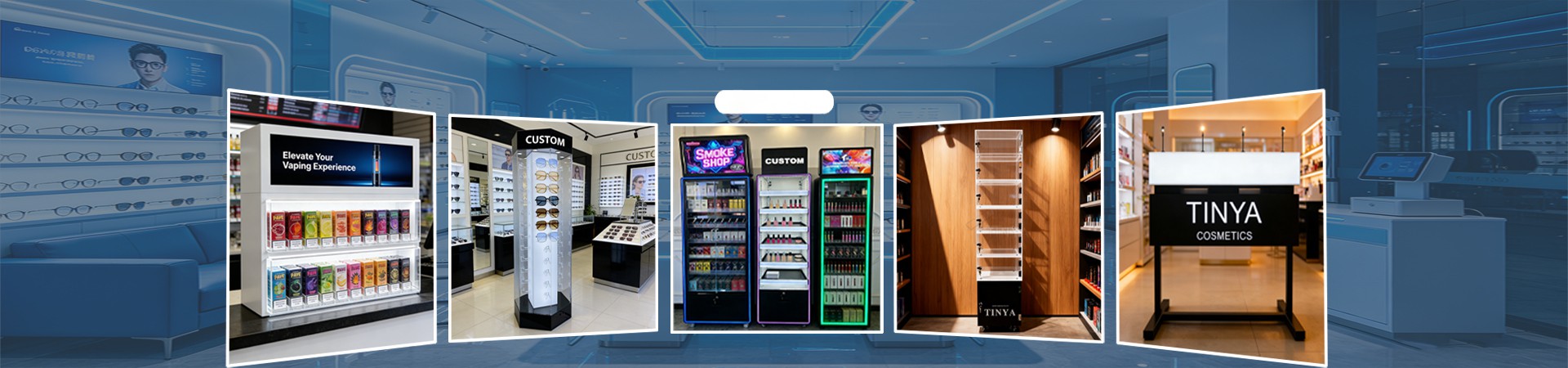
As the retail landscape becomes increasingly competitive, businesses are turning to high-quality acrylic display stands to bridge the gap between functionality and brand storytelling. With a projected compound annual growth rate through 2031, the global acrylic display case market is witnessing a surge in demand for sustainable, durable, and visually striking merchandising solutions .
In the fast-paced worlds of retail and hospitality, first impressions are everything. Gone are the days when displays merely held products; today, they are integral to the customer experience. As we move through 2026, acrylic display stands are dominating the market, offering unparalleled clarity, strength, and versatility. From back-to-school retail props to high-end bar décor, acrylic is the material of choice for brands looking to elevate their physical presence .

The Shift Toward Sustainable and Durable Materials
One of the most significant shifts in the industry is the demand for eco-friendly signage materials. Retailers are moving away from single-use cardboard and turning to sustainable acrylic displays that offer longevity and a reduced environmental footprint. Industry leaders are now utilizing recycled plastic display holders that maintain the strength of virgin acrylic while supporting corporate sustainability goals .
Recent innovations have also addressed acrylic's historical vulnerability to scratching and cracking. Advanced manufacturing techniques, including 3D printing and new surface coatings, have led to the development of displays with anti-glare properties and enhanced scratch resistance. Hookei Display, for example, recently launched a new line of products featuring a surface hardness that is twice as impact-resistant as standard acrylic, achieving over 92% light transmittance while surviving rigorous drop tests .

LED Integration and the "Instagrammability" Factor
In 2026, lighting is no longer an afterthought-it is a central feature. The integration of LED technology with acrylic is transforming standard shelving into eye-catching focal points. This is particularly evident in the hospitality sector, where LED-lit acrylic vodka bottle display stands are reshaping bar décor. These units not only organize premium spirits but also create an illuminated, "Instagrammable" backdrop that enhances the ambiance of high-end lounges and home entertainment spaces .
Social media aesthetics continue to drive design, with a strong preference for modular and illuminated units. According to recent trend reports, buyers are specifically seeking multi-tiered step displays and single-bottle presenters with customizable lighting, allowing venues to adapt quickly to changing inventory or seasonal themes .

Modular Designs and Technological Integration
Flexibility is key in modern merchandising. Retailers are no longer investing in fixed, permanent fixtures; instead, they are opting for modular acrylic display systems that can be reconfigured for different campaigns. Stackable risers, interchangeable header panels, and adjustable shelving units allow stores to refresh their layout without investing in entirely new hardware .
Furthermore, the line between physical and digital retail is blurring. Acrylic displays are now being designed to house technology. From clear casings that protect tablets and screens to integrated QR code holders and NFC touchpoints, custom acrylic displays are becoming interactive hubs. These tech-integrated solutions allow shoppers to access online reviews, product specifications, or promotional pages instantly, creating a true omnichannel experience .

Meeting the Demands of Niche Markets
The application of acrylic displays is also diversifying. In the collectibles market, companies like Wicked Brick are utilizing advanced UV printing on acrylic to create bespoke display cases for items like LEGO and Funko Pops, turning protective cases into display art .
Similarly, in the commercial and office space, acrylic brochure holders and catalog racks remain essential for effective communication. Whether it is a floor-standing unit in a mall or a sleek countertop model in a doctors office, acrylic provides a professional, crystal-clear method of presenting information to customers .
Looking Ahead
As we progress through 2026, the message from manufacturers and retailers is clear: acrylic is not just a commodity; it is a strategic tool for engagement. With ongoing innovations in material science, lighting, and modular design, acrylic display stands are set to remain at the forefront of visual merchandising. For procurement professionals and brand managers, the focus will be on selecting partners who can offer customization, durability, and designs that turn casual browsers into loyal buyers