

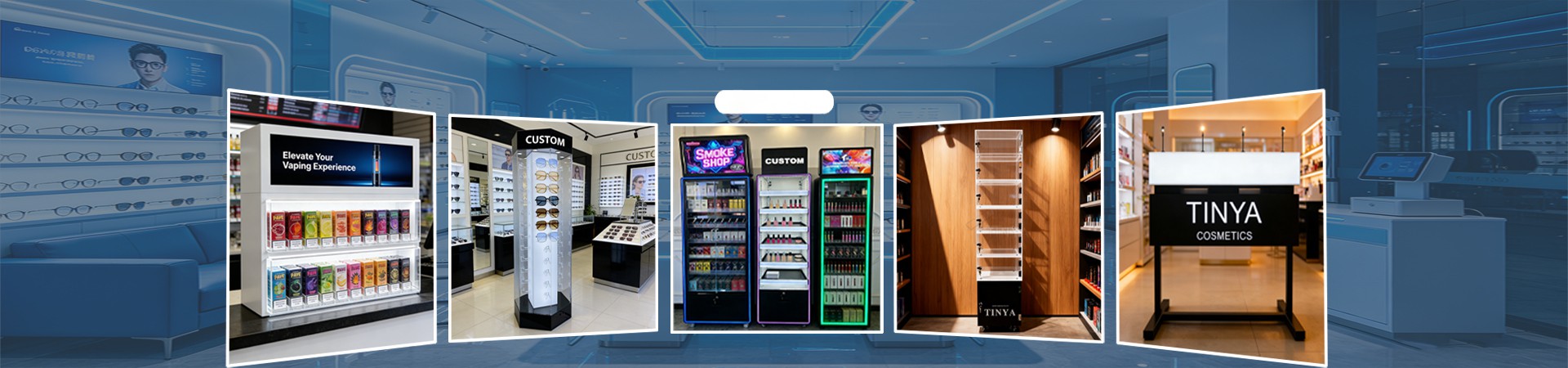

Walk into a high-end cosmetics store, and you'll notice something that seems simple on the surface - but is anything but. Makeup display cases aren't just containers. They're strategic tools that shape how customers perceive value, quality, and desirability. Think about it: a luxury lipstick sitting in a premium acrylic case sends a completely different message than the same product dumped in a plastic bin. The case isn't accidental. It's intentional.
In this guide, we'll explore what makeup display cases actually are, why major cosmetic brands invest heavily in them, what separates premium cases from cheap imitations, and how choosing the right case partner can directly impact your bottom line.

What Exactly Is a Makeup Display Case?
A makeup display case is a specialized cabinet or stand designed to showcase cosmetic products in a retail, online, or hospitality setting. Unlike generic storage boxes, these cases are engineered to solve specific problems: protecting delicate products, maximizing visibility, creating an emotional connection with customers, and reflecting brand identity.
Display cases range from simple clear acrylic boxes (holding 5–10 lipsticks) to elaborate multi-shelf cabinets (featuring 100+ SKUs with integrated lighting). Some are tabletop units perfect for boutiques. Others are floor-standing towers designed for department stores. A few incorporate LED lighting, mirrored backs, or recessed shelving to create depth and drama.
The key distinction? A makeup display case is interactive. Customers see the product, interact with it (sometimes), and form a purchase decision in seconds. That's a lot of pressure on a box to get right.
Why Cosmetic Brands Are Obsessed With Display Cases
Let's be direct: a makeup display case isn't a cost. It's an investment. Here's why brands treat it that way.
First Impressions Matter More Than Ever: In a crowded beauty marketplace, your case is often customers' first physical interaction with your brand. A polished, professional display builds trust instantly. A cheap, dusty case? It signals "don't spend your money here."
Protect Your Product, Protect Your Reputation: Makeup is fragile. A quality case protects products from dust, temperature changes, humidity, and UV damage. Damaged products equal returns, unhappy customers, and brand damage. It costs far less to invest in a proper case upfront.
Control the Narrative: A well-designed case lets you tell your brand story. Colors, materials, layout, lighting - every detail can reinforce your positioning. A high-end skincare brand in a minimalist acrylic case reads differently than one in a colorful, playful display.
Increase Per-Unit Visibility (and Sales): A case designed with proper lighting and angled shelving can increase visibility by 40–60% compared to a basic shelf. Better visibility = more customer interaction = more conversions.
Reduce Shrinkage and Theft: Locked or semi-enclosed cases deter impulse theft and keep high-value items secure. Particularly critical for travel sizes and premium lip products.
The Main Types of Makeup Display Cases (And Where They're Used)


What Separates Premium Display Cases From Cheap Knockoffs
Not all display cases are created equal. Here's what to look for.
Clarity and Light Transmission: Premium acrylic (cast, not extruded) provides crystal-clear visibility. Cheap alternatives cloud over time or have visible impurities. Products behind cloudy acrylic simply don't sell as well.
Edge Finishing: Flame-polished or professionally buffed edges feel expensive and safe. Rough or sanded edges signal poor manufacturing and pose injury risks (especially problematic for retail environments).
Structural Integrity: Quality cases don't warp, bow, or shift under product weight. Cheap cases develop stress fractures or subtle warping that makes products look crooked.
Custom Inserts and Organization: Premium cases include custom foam inserts, magnetic strips, or adjustable shelving to maximize product visibility and create visual order. Budget cases offer generic layouts that waste space.
Branding and Customization: The best cases integrate your logo, brand colors, and custom printing seamlessly. This requires precision manufacturing - not every supplier can deliver.
Packaging and Protection: How a case arrives at your warehouse matters. Premium manufacturers include protective film, PE bags, cushioning, and corner protection to prevent in-transit damage.
Makeup Display Cases: Material and Quality Comparison
Let's be concrete about material choices and what they mean for your brand.
|
Aspect |
Premium Acrylic |
Wooden Display |
Glass Case |
|
Visual Clarity |
Crystal clear, non-yellowing (cast acrylic), showcases products beautifully |
Warm aesthetic, limited transparency, masks product detail |
Premium glass clarity, but heavy, fragile, and expensive |
|
Durability & Longevity |
5–10 years with normal use; temperature-resistant; shatter-resistant |
2–4 years; susceptible to warping, moisture damage, splinters |
Durable but fragile; repairs costly; risk of breakage in transit |
|
Customization Capability |
Logo embedding, UV printing, multi-layer designs, full color range |
Limited to staining/painting; looks generic; expensive custom orders |
Etching or printing possible, but limited; fragile during customization |
|
Weight & Portability |
Lightweight (especially important for pop-ups and trade shows) |
Heavy; not ideal for temporary installations or travel |
Very heavy; requires professional installation; not portable |
|
Cost (Material + Manufacturing) |
35–150 per unit depending on size and customization |
40–180 per unit; high labor costs for custom work |
80–400+ per unit; high material and handling costs |
|
Retail Price Point & Margin |
100–400 retail; healthy 65–75% margins possible |
150–500; lower perceived value vs. premium acrylic |
300–800+; limited market (luxury only); narrow buyer base |
|
Maintenance |
Simple: mild soap + microfiber cloth; UV-stable, no special care |
Regular waxing or oil treatment required; dust-prone |
Requires careful cleaning; fingerprints show easily; labor-intensive |
|
Customer Perception |
Modern, premium, professional, forward-thinking brand |
Rustic, traditional, niche appeal (limited market) |
Luxury, high-end, but fragile perception; premium pricing justified |
What This Means for You: Premium acrylic dominates the contemporary cosmetics market. It delivers the clarity, customization, and durability that modern brands demand - without the fragility of glass or the dated aesthetic of wood.
The Direct Link Between Display Cases and Conversion Rates
Here's where the ROI becomes impossible to ignore. A 2023 retail study found that products displayed in premium cases saw 38–45% higher purchase intent compared to products on standard shelves. Why? Because customers equate case quality with product quality.
A luxury lipstick in a clear, polished acrylic case with soft LED lighting signals exclusivity and worth. The same lipstick on a dusty wire rack? It just looks cheap. And here's the kicker: that perception drives pricing. Products in premium displays often command 15–25% higher price points than identical products in basic displays.
For retailers stocking beauty products, display case quality directly impacts: unit sales velocity, customer repeat visits, brand perception, theft deterrence, and customer satisfaction scores.
This is why major brands invest in display cases like they invest in product packaging. It's not an afterthought. It's a conversion tool.

Real-World Example: How a Beauty Retailer Transformed Revenue With Premium Display
A boutique beauty retailer in Singapore (60 sq. meters) was struggling with shelf space and sales. Product turnover was slow, and customers complained about difficulty finding specific items.
They replaced 8 standard wire shelves with 6 custom acrylic display towers (3 feet tall, multi-shelf, LED lighting, custom inserts for different product types). Cost per tower: $85. Total investment: $510.
Results within 3 months: Products displayed in the new acrylic cases saw 42% higher purchase velocity. Customers spent 35% longer browsing. Customer satisfaction scores jumped from 7.2 to 8.8 out of 10. Most importantly? Monthly revenue from the refreshed display section increased 51%.
The retailer estimated the acrylic investment paid for itself within 6 weeks. The real benefit? Repeat customers now associated the store with "premium, organized, professional" - a positioning shift that affected the entire store's brand perception.
How to Choose the Right Display Case Manufacturer
Not every manufacturer is equipped to deliver what cosmetic brands need. Here's what to evaluate:
1. Material Transparency: Do they specify cast vs. extruded acrylic? If they dodge the question, move on. Cast acrylic is non-negotiable for premium cosmetics.
2. Sample Quality: Request samples before committing to volume. Check edge clarity, color consistency, and flatness. Quality manufacturers never hesitate to provide samples.
3. Customization Depth: Can they handle logo UV printing, custom inserts, multi-color options, and branding integration? Or are they locked into standard designs?
4. Lead Time Realism: Reputable suppliers provide honest timelines. Promises of 2-week custom turnarounds are red flags.
5. Quality Control Process: Ask about their inspection protocol. Are cases checked for stress marks, edge finish, dimensional accuracy, and color consistency before shipping?
6. Packaging & Protection: How do they protect cases during transit? Protective film, PE bags, corner guards, and cushioning matter - especially for acrylic.
7. International Shipping Experience: If you're importing, verify export credentials, HSCode knowledge, and experience with international logistics. Customs delays and shipping damage are real.
8. Post-Sale Support: What happens if an order arrives defective? Can they replace units quickly? Do they offer design revisions if prototypes miss the mark?
The Bottom Line: Why Display Cases Matter More Than You Think
A makeup display case isn't just packaging. It's a silent salesperson, a brand ambassador, and a protection mechanism all in one. The right case elevates your product, protects your investment, and builds customer confidence in your brand.
Cosmetic brands that invest in premium display solutions consistently outperform competitors using basic alternatives. The ROI is clear: higher sales, better brand perception, and repeat customers.
The question isn't whether you can afford a quality display case. It's whether you can afford not to have one.
Frequently Asked Questions
1. Will acrylic display cases yellow or cloud over time?
High-quality cast acrylic resists yellowing and clouding for years, especially when stored away from direct UV light. Cheap extruded acrylic or low-grade materials yellow noticeably within 12–18 months. If UV resistance is critical (displays near windows), specify UV-stabilized cast acrylic during manufacturing. Most reputable suppliers include this as standard for cosmetic applications.
2. What's the actual cost difference between custom and standard display cases?
Standard acrylic cases run 35–75 per unit at typical wholesale volumes (50+ units). Customization - logo UV printing, custom inserts, color matching, or multi-layer designs - adds 15–45 per unit depending on complexity. For premium beauty brands, that investment is negligible compared to the perceived value gain and improved sales velocity. Most retailers find custom cases pay for themselves within 2–3 months through increased conversions.
3. Can I order samples before committing to a large order?
Absolutely. Legitimate manufacturers typically offer 1–5 sample units to qualified buyers. This lets you evaluate material quality, edge finish, color accuracy, and overall design before placing a production order. Reputable suppliers encourage this process - it prevents costly mistakes and builds trust. Always clarify sample policies and lead times before committing.
4. How do I verify a supplier uses quality materials and manufacturing practices?
Request material specification sheets with every quote, specifying cast acrylic and edge-polishing method. Compare edge clarity in samples: cast acrylic edges are crystal clear after flame polishing; cheaper alternatives retain slight haziness. Ask about their polishing process - cast acrylic can be flame-polished to perfection, while extruded rarely matches that quality. Finally, ask about ISO certifications and years of manufacturing experience. Transparent suppliers answer without hedging.
5. How long does a quality acrylic display case actually last in a retail environment?
Premium acrylic display cases typically last 5–10 years with normal retail use. That lifespan assumes proper handling, regular gentle cleaning, and reasonable environmental conditions (not extreme heat/cold or constant direct UV). Cases in climate-controlled boutiques often exceed 10 years. In harsh environments (sun-exposed storefronts, high-temperature areas), expect 4–6 years. Compare that to wooden cases (2–4 years, with warping issues) or budget acrylic (1–2 years, with yellowing and stress fractures), and the premium investment becomes even clearer.
Ready to Invest in Display Cases That Actually Convert?
Whether you're a cosmetic brand launching a new product line, a retailer refreshing your beauty section, or a distributor stocking boutique beauty shops, the right acrylic display case manufacturer makes all the difference.
TINYA, a Guangdong-based acrylic manufacturing specialist with 22+ years of OEM/ODM expertise, has been designing custom cosmetic display cases for beauty brands and retailers worldwide. Specializing in cast acrylic, precision edge polishing, logo branding, custom inserts, and protective packaging, TINYA delivers display solutions that don't just protect products - they sell them.
Need custom display cases with your brand colors and logo? Want samples within 10 days? Looking for a manufacturer who treats quality as non-negotiable?
Get in touch:
Email: seo@tinya168.com
WhatsApp/WeChat: +86 199 2655 8676
Let's talk about turning your display cases into conversion machines.