

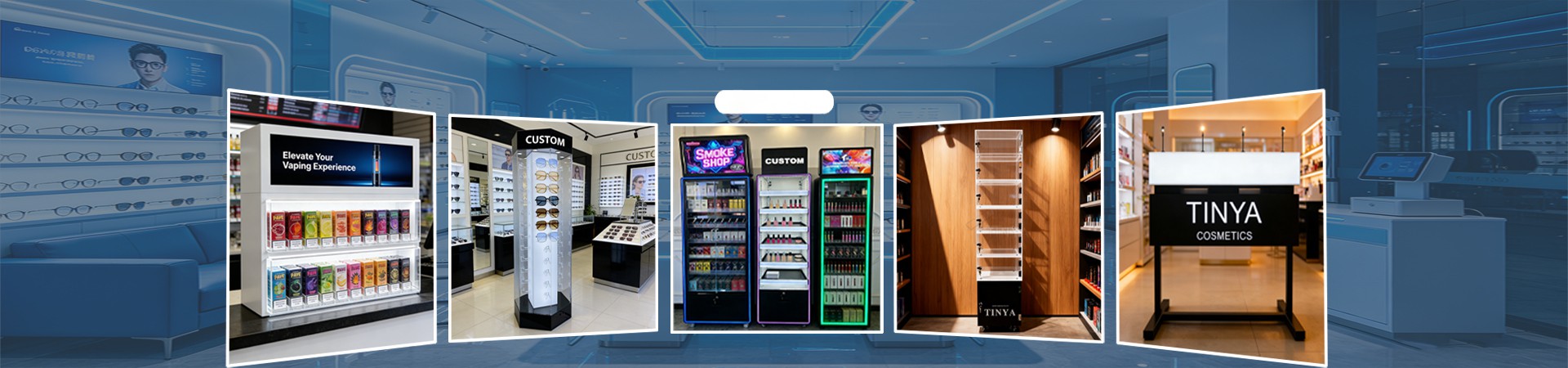
Choosing the wrong acrylic display supplier isn't just inconvenient; it's a direct threat to your budget, timeline, and brand reputation. A late shipment, subpar quality, or a display that fails mid-event can derail product launches, frustrate customers, and cost thousands in lost sales and rework. Finding a truly reliable partner is crucial. This checklist arms you with the key criteria and practical tactics to separate the trustworthy partners from the risky vendors.
Don't Just Buy a Product, Invest in a Partnership: Key Evaluation Criteria
1. Production Capabilities: Can They Actually Make What You Need?
Look Beyond Brochures: Don't just accept "yes, we can do that." Ask specifics:
Machinery: Do they have in-house CNC routers, laser cutters, polishing machines, heat bending ovens, UV printers? (Outsourcing core steps adds risk).
Material Handling: Can they work with the specific acrylic type/thickness you need (e.g., cast acrylic for complex shapes, thicker material for large displays)?
Capacity: Can they handle your order size within your timeline without overstretching? Ask about current lead times.
Specialization: Do they excel in your type of display (e.g., intricate museum mounts, high-volume retail fixtures, illuminated signage)?
Ask: "Walk me through the specific steps and machines used to produce [mention a key aspect of your project, e.g., a complex curved element, a precision-cut insert]."
2. QC Processes: How Do They Ensure Consistent Quality?
Proactive, Not Reactive: Quality shouldn't just mean "checking at the end." Look for:
Incoming Material Checks: Do they verify acrylic sheets for scratches, bubbles, or inconsistencies before cutting?
In-Process Checks: Are there defined checkpoints during cutting, polishing, bonding, and assembly? (e.g., checking edge polish quality before bonding).
Final Inspection Rigor: What is their final checklist? (Scratches, cracks, warping, glue marks, accuracy to drawing, functionality, packaging suitability). Do they document this?
Defect Resolution: What happens if something fails QC? How quickly can they rework or remake?
Ask: "Can you share a copy of your standard QC checklist for a project like ours?" "What is your typical defect rate, and how do you handle defects internally?"
3. Case Study Validity: Do Their Success Stories Hold Water?
Go Deeper Than Glossy Photos: Anyone can take a nice picture.
Request Specifics: Ask for case studies mentioning the client's name (with permission), the challenges faced, the specific solutions implemented (materials, processes), and quantifiable results (e.g., "reduced assembly time by 30%", "survived 12 trade shows without damage").
Ask for References: Actually contact past clients mentioned in case studies. Ask about communication, problem-solving, adherence to specs and timelines, and overall satisfaction.
Look for Relevant Experience: Do they have proven success with projects similar in scale and complexity to yours?
Ask: "Can you connect me with a past client who had a project involving [mention a critical aspect, e.g., tight deadlines, complex assembly, specific material finish]?"
4. Responsiveness & Communication: Are They Easy and Proactive to Work With?
Test Them Early: Gauge their communication style during the quoting/proposal phase:
Speed: How quickly do they respond to initial inquiries and follow-up questions?
Clarity: Are answers direct, thorough, and easy to understand? Do they avoid jargon or explain it well?
Proactivity: Do they anticipate questions and provide information you didn't explicitly ask for? Do they clarify ambiguities in your brief?
Channel: Do they use your preferred communication method (email, phone, project management tools)?
Ask: "Who will be my primary point of contact throughout the project? What are their contact details and typical response times?"
5. Problem-Solving Ability: How Do They Handle the Inevitable Hiccup?
Expect Problems, Value Solutions: Machines break, shipments get delayed, materials have flaws. The response matters most.
Ask for Examples: "Tell me about a time a project hit a major snag. What was the issue, how did you communicate it to the client, and what was the solution?"
Look for Transparency: Do they seem willing to admit potential challenges upfront or only when forced?
Assess Calm & Resourcefulness: Do they propose constructive solutions or just make excuses?
Ask: "What is your contingency plan if a key machine breaks down during our production run?"
6. After-Sales Support: Is the Relationship Over at Delivery?
Protect Your Investment: Displays get used, sometimes hard. Support matters.
Warranty: What is explicitly covered (materials, workmanship)? For how long? What is the process for a claim?
Repair/Replacement Policy: Can they repair damaged displays? What are the costs and lead times? Can they replace individual components?
Spare Parts: Do they keep records/drawings to produce spares months or years later?
Advice: Are they available for basic maintenance tips or advice on cleaning products to avoid?
Ask: "What happens if we receive a shipment and find one display is cracked during transit? What if a display breaks 6 months into heavy retail use?"
7. Transparency & Honesty: Do They Build Trust?
The Intangible that Matters Most: Are they upfront about limitations? Do they admit if a design element is overly complex or costly? Do they explain why they recommend a specific material or process? Are their quotes detailed and clear about inclusions/exclusions?
Your Verification Toolkit: Factory Audits & Virtual Tours
In-Person Factory Audit (Gold Standard):
Schedule Wisely: Request a specific time; drop-ins can be staged.
Observe: Look for organization, cleanliness, machine maintenance, material storage (is acrylic protected from dust/scratches?), safety protocols. Are workers skilled and attentive?
Ask to See: QC stations, specific machines relevant to your project, examples of work-in-progress, raw material stock, packaging area.
Talk to Staff: Chat (with permission) with floor managers or QC personnel. Do they seem knowledgeable and empowered?
Essential Questions On-Site: "Can you show me your current QC log for a similar job?" "How do you handle acrylic sheet defects when they arrive?" "Walk me through how you ensure polish quality on curved edges."
Virtual Factory Tour (A Strong Alternative):
Demand Live Video: Pre-recorded videos can hide realities. Insist on a live walkthrough via Zoom/Teams.
Be Specific: "Please show me your laser cutting area." "Pan over to where you do final assembly and packing." "Show me how you store finished pieces before shipment."
Ask for Proof: "Can you show me a recent QC checklist (redacting sensitive info)?" "Can we see a machine currently running a job?"
Essential Questions Virtually: "What camera phone are you using? Can you get a closer look at the edge finish on that piece?" "How do you manage dust control during polishing?"
The Takeaway: Trust, But Verify
Choosing an acrylic display supplier is a significant business decision. Relying on a cheap quote or a slick website is a gamble. By systematically evaluating potential partners against these criteria – production muscle, proven quality systems, genuine experience, responsive communication, problem-solving grit, solid support, and fundamental honesty – you dramatically reduce risk. Invest the time upfront to audit, ask the tough questions, and verify claims. The payoff is a reliable partner who delivers not just displays, but peace of mind and a foundation for successful brand presentation. Remember: Your supplier's reliability is directly linked to your own success. Choose wisely.