

Your product looks great. Your packaging is ready. But when the product reaches a retail store, customers may not notice your brand.
A plain display stand can hold products, but a well-designed branded display can do more. It helps shoppers recognize the brand and creates a consistent look across stores.
This is why custom acrylic display logo printing is important for retail brands.
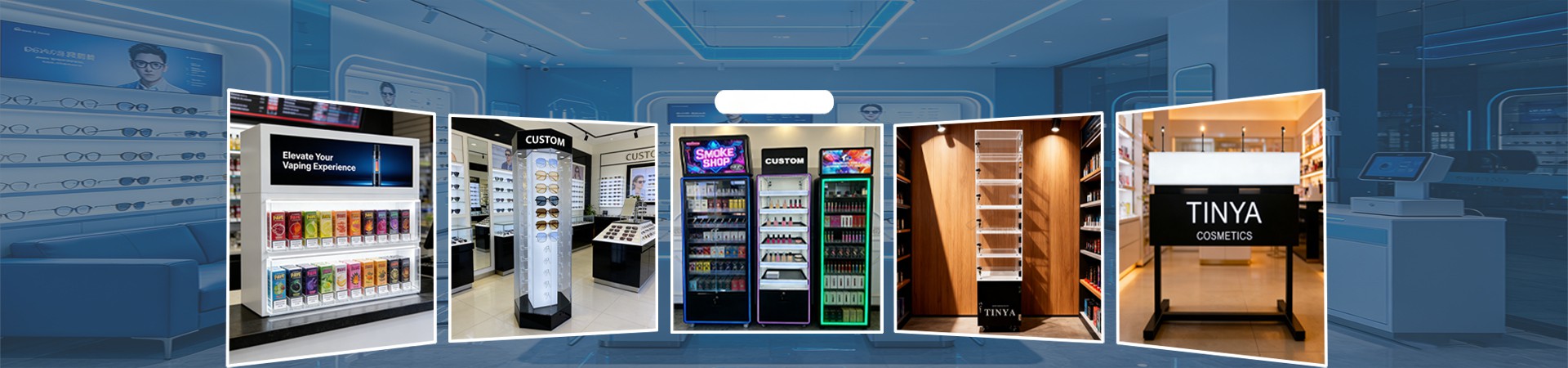
Need a custom display stand with your company logo? TINYA Acrylic manufactures OEM and ODM retail displays with UV printing, screen printing, laser engraving, and other branding options. We produce custom displays for beauty brands, electronics companies, distributors, and retail chains.
In this guide, we compare five common logo customization methods and explain how to choose the right one for your project.
What Is Custom Acrylic Display Logo Printing?
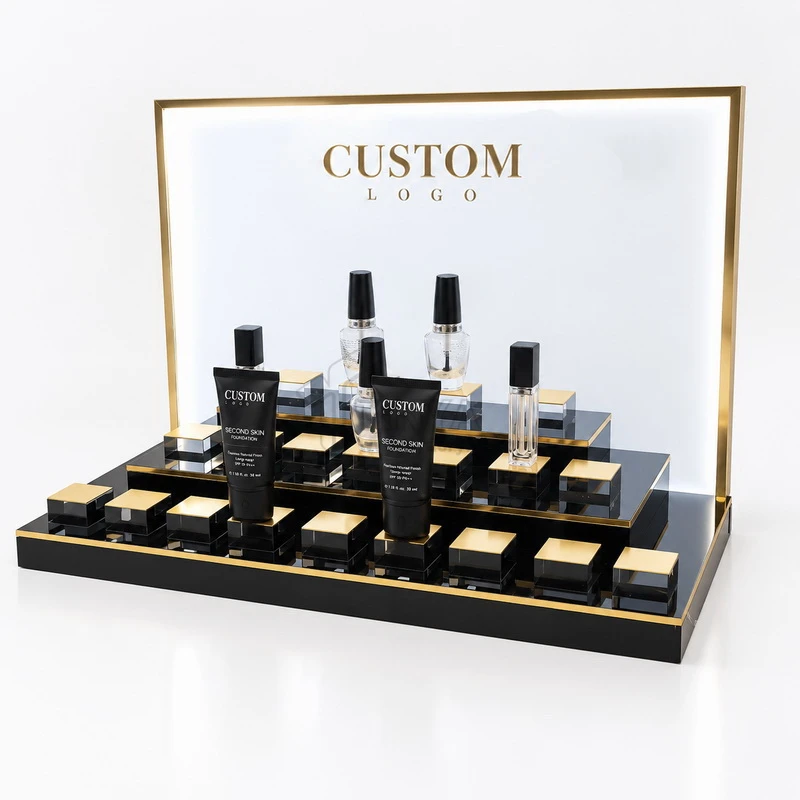
Custom acrylic display logo printing means adding a brand name, logo, or graphic to an acrylic display stand.
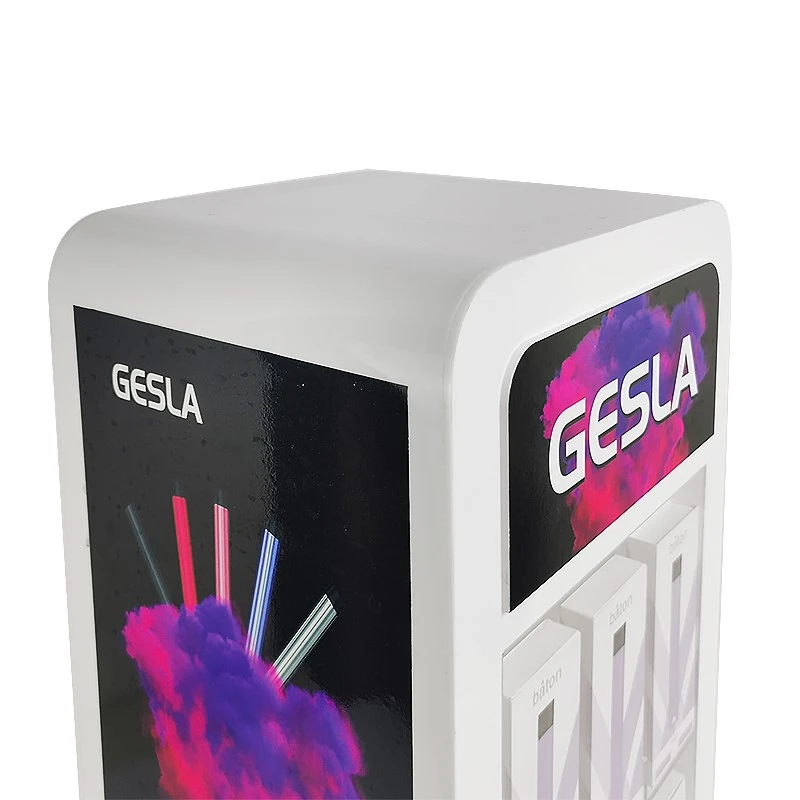
The logo can be placed on the front panel, side panel, base, or top sign.
Some brands want a small and simple logo. Others need large, colorful artwork that shoppers can see from a distance.
The right method depends on the design, colors, order quantity, and expected appearance.
Acrylic is also called PMMA. It is a material widely used for clear plastic products.
You can learn more from Wikipedia: Poly(methyl methacrylate).
1. UV Printing: Best for Colorful Graphics
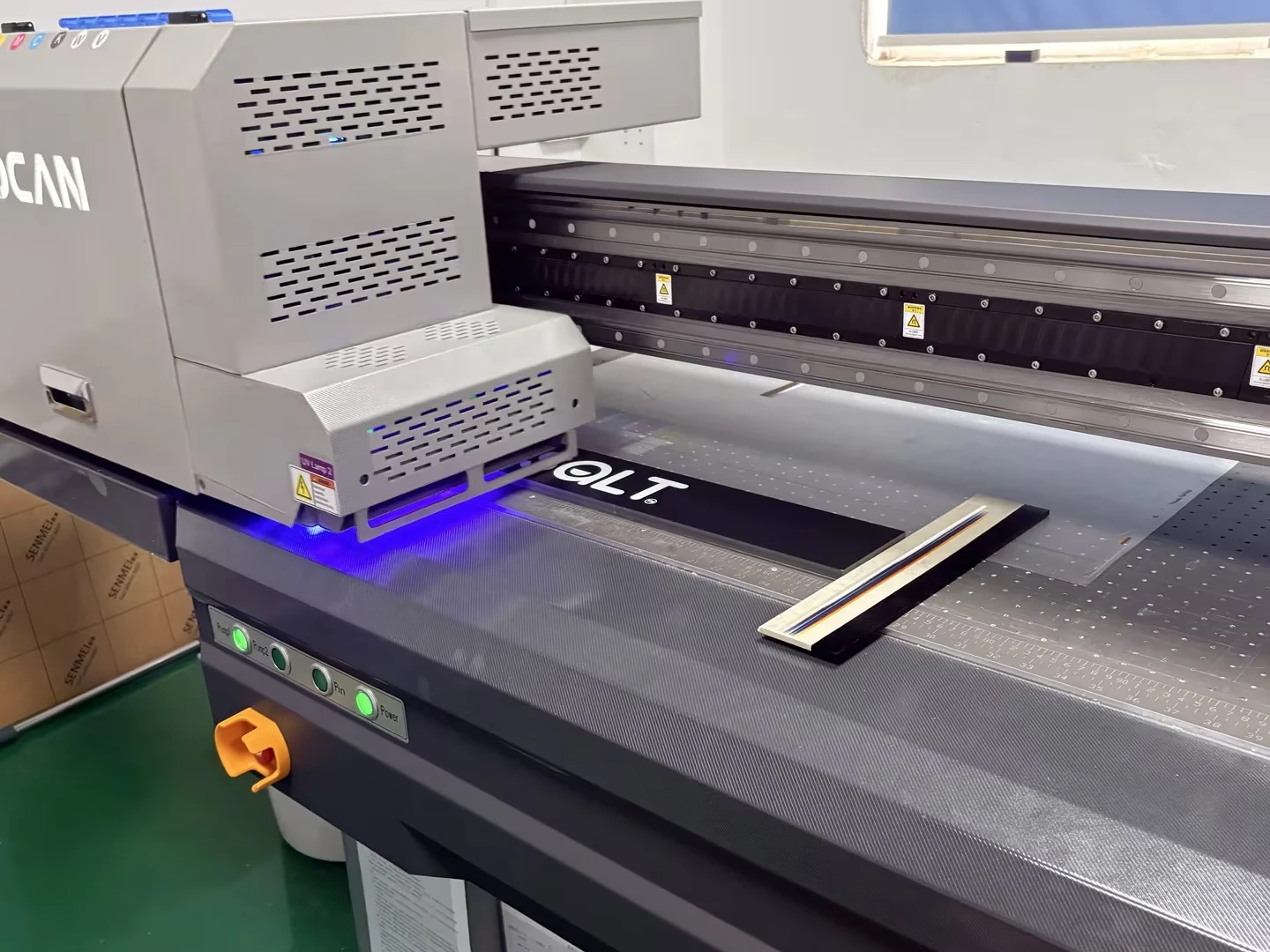
UV printing is a useful option for retail display stands with colorful logos and pictures.
It allows manufacturers to print detailed designs directly onto suitable surfaces.
For example, a cosmetics brand may want to add a colorful product image to the back panel of a display.
An electronics brand may need a gradient background with its company logo.
UV printing can support these designs without adding a separate printed board.
When Should You Choose UV Printing?
UV printing may be suitable when your design includes:
Multiple colors
Small text and detailed graphics
Color gradients
Product images
Full-color brand artwork
However, the final result depends on the acrylic color, surface preparation, ink system, and printing process.
For important projects, checking a printed sample is recommended.
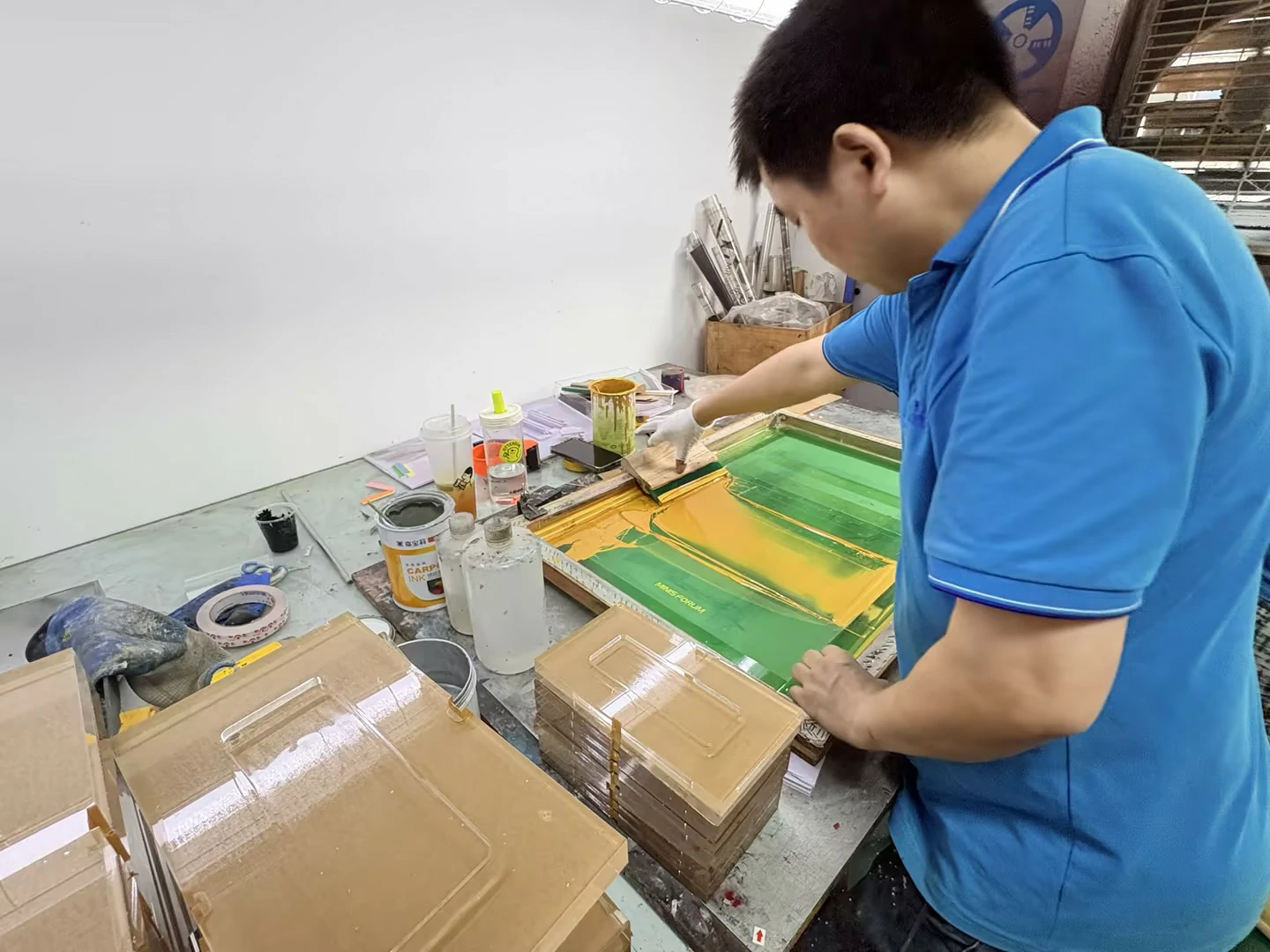
2. Screen Printing: A Good Choice for Simple Logos
Screen printing, also called silk-screen printing, uses a screen to transfer ink onto a surface.
It is often used for simple brand logos with one or a few solid colors.
For example, a retail chain may need the same white logo on hundreds of black acrylic display stands.
Screen printing can be considered for this type of repeat order.
It can create a clean and consistent appearance when the artwork and process are properly controlled.
When Is Screen Printing Suitable?
This method is useful for:
Simple company logos
One-color text
Large repeat orders
Solid color patterns
Standard retail branding
The setup and printing cost depend on the number of colors, design size, and quantity.
A complex full-color picture may be better suited to another printing method.
3. Laser Engraving: A Clean and Simple Finish
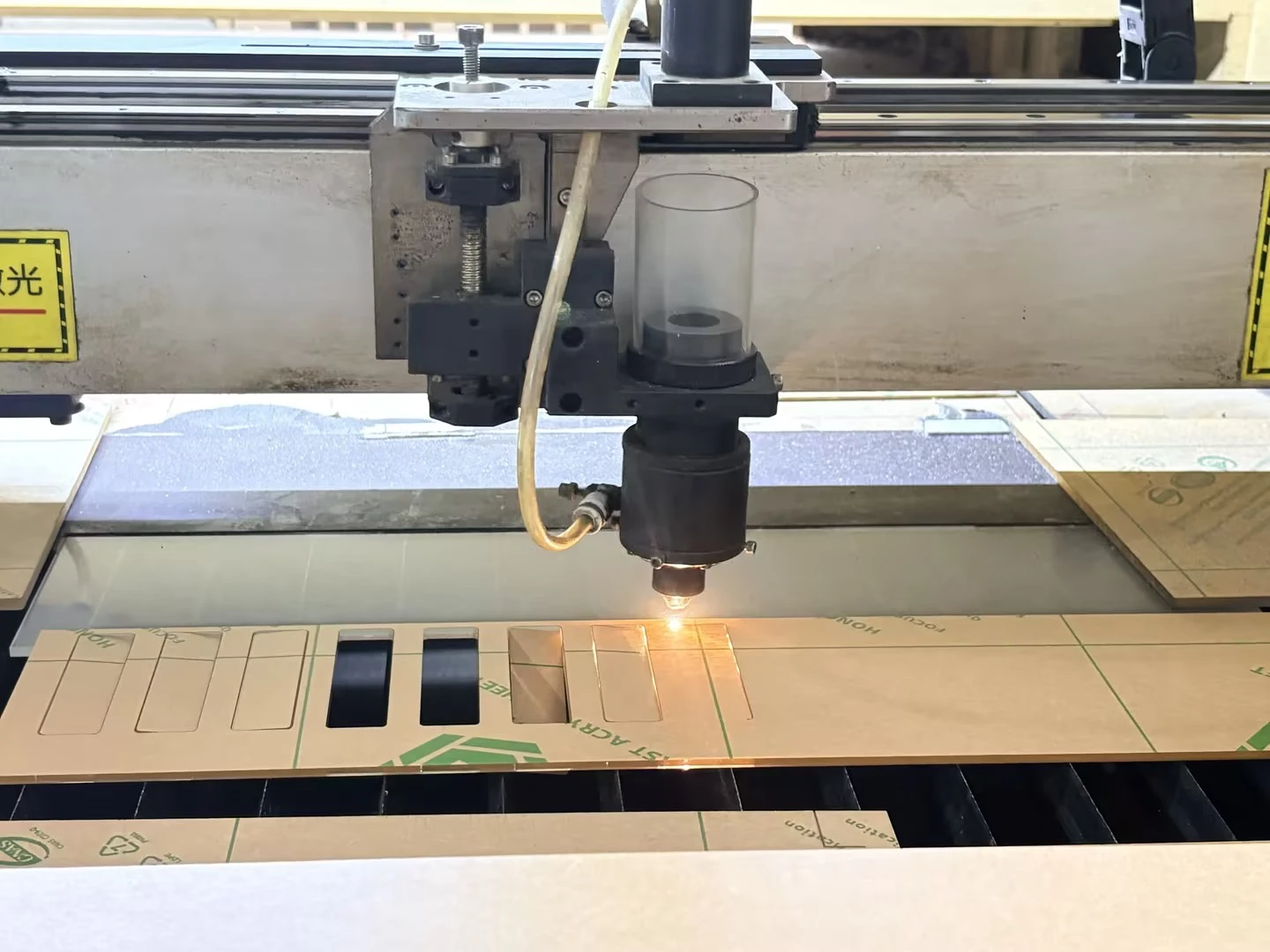
Laser engraving is different from color printing.
Instead of adding colored ink, a laser changes or marks the acrylic surface.
It can create a simple logo, brand name, or decorative pattern.
This method is useful when the customer wants a clean appearance without a large printed image.
For example, a watch display may use a small engraved logo on a clear acrylic base.
A premium eyewear stand may also use engraving for simple text or branding.
The engraving appearance depends on the acrylic material and laser settings.
Some designs may also use lighting to make an engraved pattern more visible.
4. Raised Acrylic Letters: For a Premium Brand Look
Some brands want their logos to stand out from the display surface.
Raised acrylic letters can create a three-dimensional effect.
This method is different from ordinary printing because the letters are separate parts attached to the display.
Raised logos can be made in custom sizes and colors.
For example, a perfume brand may choose gold-colored letters on a black display base.
A mobile phone accessory brand may prefer white raised letters on a clear acrylic panel.
The attachment method, material, and logo thickness should be checked during design.
5. Stickers and Replaceable Graphics: For Promotions
Not every retail campaign uses the same artwork for a long time.
A brand may introduce new products, seasonal colors, or special offers.
In these cases, stickers or replaceable graphic panels may be useful.
A sticker can carry a logo or product message.
A replaceable panel allows stores to update a promotional design without replacing the complete display stand.
However, the quality of the adhesive, surface, and printing must be considered.
This option is especially useful when the artwork may change more often than the display structure.
Which Logo Printing Method Is Best?
The best choice depends on the project.
Here is a simple comparison for buyers.
| Logo Method | Main Feature | Suitable Application |
|---|---|---|
| UV Printing | Detailed full-color graphics | Cosmetics and electronics |
| Screen Printing | Simple solid-color logos | Repeat wholesale orders |
| Laser Engraving | Clean marked surface | Watches and premium displays |
| Raised Acrylic Letters | 3D logo appearance | Perfume and luxury products |
| Stickers | Easy graphic changes | Promotions and short campaigns |
There is no single method that works best for every display.
A useful way to choose is to start with your logo artwork, the product material, and how the display will be used.
Where Should You Place the Logo?
The position of a logo can be just as important as the printing method.
A large logo placed behind products may be difficult to see.
A logo placed too close to the bottom may be hidden by the retail counter.
Before confirming the design, consider where shoppers will stand and what they will see.
Common logo positions include the header, back panel, side panel, and front base.
For large display stands, two logo positions may be useful.
For small countertop displays, one clear logo may be enough.
A 3D rendering can help buyers check the position before a physical sample is made.
What Should Buyers Send for Custom Logo Printing?
A clear request helps the manufacturer prepare a suitable design.
| Buyer Information | Why It Matters |
|---|---|
| Logo file | Helps prepare accurate artwork |
| Brand colors | Supports visual consistency |
| Display dimensions | Helps choose logo size |
| Reference images | Shows preferred style |
| Printing method | Defines the desired finish |
| Order quantity | Helps calculate production cost |
| Product photos | Helps position the logo |
Vector files such as AI or PDF are useful for many logo projects.
If you only have a picture of your logo, send it to the manufacturer for review.
Custom Branded Displays From TINYA Acrylic
TINYA Acrylic is a custom retail display manufacturer based in Shenzhen, China.
We provide OEM and ODM services for retail brands, manufacturers, wholesalers, and importers.
Our factory supports acrylic processing, logo printing, engraving, product assembly, and custom packaging.
We also manufacture mixed-material displays using acrylic, metal, MDF, and other suitable materials.
Before production, our team can prepare a design rendering to help buyers review the appearance and logo position.
A physical sample can then be made when required.
We do not sell ready-stock display stands. Our products are manufactured according to each customer's requirements.
Explore our custom acrylic display manufacturing services.
Frequently Asked Questions
Can you print my logo on an acrylic display stand?
Yes. TINYA supports several logo customization methods, including UV printing, screen printing, and laser engraving.
Which printing method is best for a colorful logo?
UV printing is often suitable for detailed designs with multiple colors or gradients.
Can I have a raised 3D logo?
Yes. Raised acrylic lettering and other suitable logo structures can be developed for custom projects.
Can you match my brand colors?
We can work from your brand color references and artwork. The final color should be checked and approved before bulk production.
What is the MOQ for custom branded displays?
The MOQ is usually around 30–50 pieces, depending on the display structure and printing requirements.
Can I see a design before placing a bulk order?
Yes. Our team can prepare a visual rendering during project discussion. Physical samples can be arranged after the specifications and sample terms are confirmed.
Start Your Custom Logo Display Project
Your display stand should do more than hold products. It should also help shoppers recognize your brand.
Whether you need a simple printed logo or a premium 3D design, choosing the right customization method is an important step.
Looking for an OEM acrylic display manufacturer?
Send TINYA Acrylic your logo file, product dimensions, reference photos, and expected order quantity.
Our team can recommend a suitable logo method and help develop a display for your brand.
Contact us for a custom manufacturing quotation.
Email: seo@tinya168.com
Visit TINYA Acrylic