

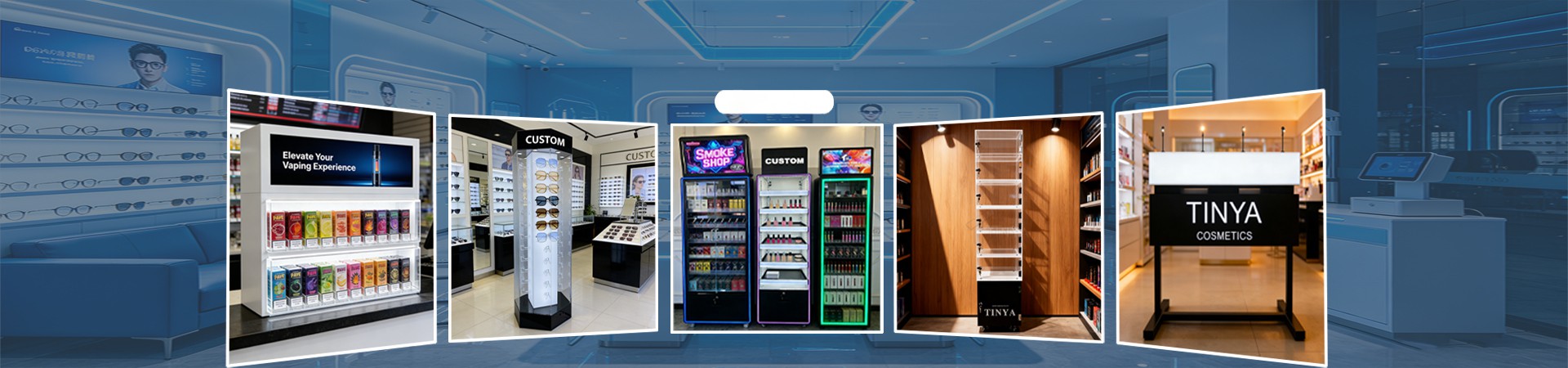
When it comes to choosing materials for products, whether it's for manufacturing, packaging, or design, understanding the differences between plastics is crucial. Five of the most common plastics you'll encounter are Acrylic (PMMA), ABS, PVC, PC, and PET. While they might seem similar at first glance, each has unique properties that make it suitable for specific uses. Let's break down how they differ and where you'll most often find them.
Acrylic (PMMA): Clarity and Elegance
Acrylic, also known as PMMA (Polymethyl Methacrylate), is famous for its crystal-clear transparency and glass-like appearance. It transmits light beautifully, making it a popular choice for display stands, signage, aquariums, and protective covers. Unlike glass, acrylic is lightweight and shatter-resistant, which means it won't break into dangerous shards. It can be easily shaped and polished, and it resists yellowing over time. The downside? Acrylic can scratch more easily than some plastics and may crack under heavy impact. Still, when aesthetics and clarity are top priorities, acrylic is often the go-to material.

ABS: Tough and Versatile
ABS (Acrylonitrile Butadiene Styrene) is a workhorse in the plastics world. It's not as clear as acrylic, but it's much tougher when it comes to impact resistance. You'll find ABS in products that need to be both durable and lightweight, such as automotive parts, protective cases, keyboards, and toys like LEGO bricks. It can withstand drops, knocks, and general wear and tear, making it ideal for functional items that face daily use. On the manufacturing side, ABS is easy to machine and can be injection molded into complex shapes. Its strength and flexibility have made it a favorite for both consumer products and industrial applications.

PVC: Affordable and Weather-Resistant
PVC (Polyvinyl Chloride) is one of the most widely used plastics in the world. It comes in two main forms: rigid (uPVC) and flexible. Rigid PVC is common in construction - think pipes, window frames, and panels - because it's tough, weather-resistant, and inexpensive. Flexible PVC, on the other hand, is used in cable insulation, inflatable products, and some flooring materials. One of PVC's strengths is its ability to resist moisture and chemicals, making it suitable for outdoor and industrial environments. However, PVC can be less environmentally friendly due to the additives and plasticizers used in some forms.

PC: Strength with Transparency
PC (Polycarbonate) is a unique plastic because it combines high transparency with exceptional toughness. While acrylic is clearer, polycarbonate is far more impact-resistant - in fact, it's virtually unbreakable in many applications. That's why it's used for safety goggles, riot shields, bullet-resistant glass, and protective covers for electronics. PC can handle high temperatures and is self-extinguishing, making it a safe choice for electrical and industrial uses. On the flip side, it scratches more easily than some materials, so surface coatings are often applied to improve durability.

PET: Lightweight and Food-Safe
PET (Polyethylene Terephthalate) is best known for its role in beverage bottles and food containers. It's lightweight, strong, and safe for contact with consumables. PET is highly recyclable, which has made it a focus in sustainability efforts. In addition to packaging, PET is used in textiles (as polyester) and in thermoformed products like clamshell packaging. While PET is resistant to moisture and chemicals, it can warp under high heat, which is why you won't find it in applications that require extreme temperature resistance.
Choosing the Right Material
Selecting the right plastic depends on your priorities. If clarity and elegance matter most, acrylic might be your best bet. For everyday toughness, ABS is a solid choice. Need something weather-resistant and affordable? PVC fits the bill. If you require impact resistance with transparency, polycarbonate is the way to go. And for food-safe, recyclable packaging, PET leads the pack.
In the end, these five plastics may look similar in some forms, but their strengths, weaknesses, and applications are distinct. Understanding these differences helps manufacturers, designers, and even everyday consumers make smarter decisions - ensuring that the right material is used for the right job.
contact us
Shenzhen Tinya Acrylic Display Co., Ltd. has over 20 years of experience in customizing commercial display stands and has been a leader in the display stand industry in China since 2005. We have our own design and engineering team. We offer free design services and refundable sample fees for mass production. We are Victoria's Secret certified and hold SGS/ISO9001/ROHS certifications. We support full OEM/ODM customization and a variety of payment options. If you'd like to see our products in different materials and styles, please contact us today!