

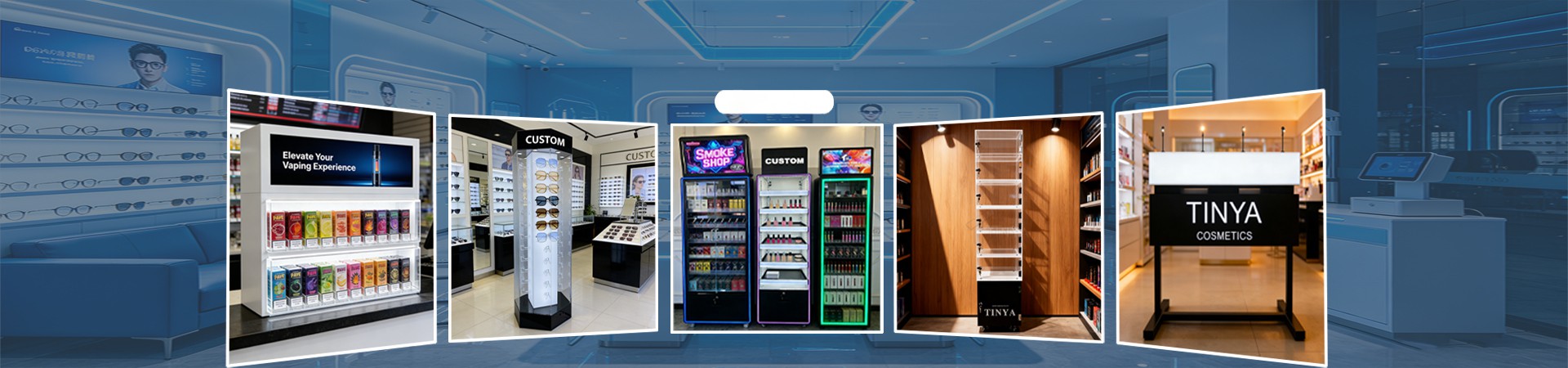
In the strategic development of retail merchandising solutions, material selection constitutes a critical decision that significantly influences both aesthetic impact and functional performance. As two predominant options in contemporary retail design, wood and acrylic each present distinct advantages tailored to diverse brand narratives and operational requirements. This comparative analysis examines the intrinsic characteristics of both materials to inform strategic decision-making for retail display implementation.
The Enduring Appeal of Wooden Displays


Wooden display systems maintain enduring popularity in retail architecture due to their inherent capacity to evoke organic warmth and project artisanal authenticity. Particularly suited to establishments emphasizing craftsmanship or natural aesthetics, wood introduces tactile dimensionality that reinforces perceptions of quality and heritage. This material proves exceptionally effective for boutique environments, artisanal product presentations, and premium point-of-purchase installations where establishing emotional resonance with consumers is paramount.
From a functional perspective, wood demonstrates exceptional structural integrity, offering robust support for substantial product weights. This durability renders it ideal for high-traffic retail environments and applications requiring long-term display solutions. The material's load-bearing capabilities make it particularly suitable for showcasing heavy merchandise categories including home furnishings, electronic equipment, and substantial packaged goods. Furthermore, wooden displays maintain their visual integrity through extended usage cycles, providing reliable performance for both permanent installations and temporary promotional configurations.
The Contemporary Sophistication of Acrylic Displays


In contrast to wood's traditional associations, acrylic emerges as the quintessential material for modern retail aesthetics. Characterized by optical clarity and minimalist geometry, acrylic display systems facilitate unobstructed product visibility while cultivating an atmosphere of sophisticated simplicity. This transparency proves particularly advantageous for luxury retail environments, jewelry showcases, and technology demonstrations where maintaining visual focus on merchandise constitutes a primary objective.
Acrylic's non-porous surface structure enhances operational practicality through effortless maintenance and superior resistance to environmental factors. The material's light transmission properties enable creative lighting integration, while its dimensional stability ensures long-term structural consistency. These characteristics position acrylic as an optimal solution for high-impact promotional displays, seasonal installations, and product-focused merchandising strategies requiring frequent reconfiguration.
Strategic Material Selection Criteria


The decision between wood and acrylic implementations should be guided by three primary considerations: brand identity alignment, product characteristics, and spatial dynamics. Wooden displays typically harmonize with rustic, traditional, or premium brand narratives, particularly when showcasing artisanal goods or weight-sensitive products. Conversely, acrylic solutions complement contemporary brand identities and prove ideal for highlighting delicate, high-value items requiring unobstructed visual access.
Sophisticated retail operations frequently employ hybrid material strategies to optimize merchandising effectiveness. A balanced approach might incorporate wooden structural elements to establish environmental gravitas while utilizing acrylic components for targeted product highlighting. This methodology allows retailers to simultaneously convey brand authenticity through natural materials and emphasize product excellence via transparent showcases.
Implementation Considerations
1.Spatial Optimization: Evaluate footprint requirements - acrylic's visual permeability enhances spatial perception in compact retail layouts
2.Maintenance Protocols: Consider cleaning frequency and chemical resistance requirements
3.Lighting Integration: Assess opportunities for material-light interaction enhancement
4.Budgetary Parameters: Analyze long-term cost considerations including durability and refurbishment needs
By conducting thorough analysis of these factors, retail designers can develop material specifications that synergistically enhance brand presentation while meeting operational demands. Both wood and acrylic present viable solutions when appropriately contextualized within comprehensive retail design strategies, offering distinct pathways to creating immersive consumer experiences that drive engagement and conversion.
Engage With Us:
What's your display challenge? Share your industry below, and we'll suggest the perfect acrylic stand!