

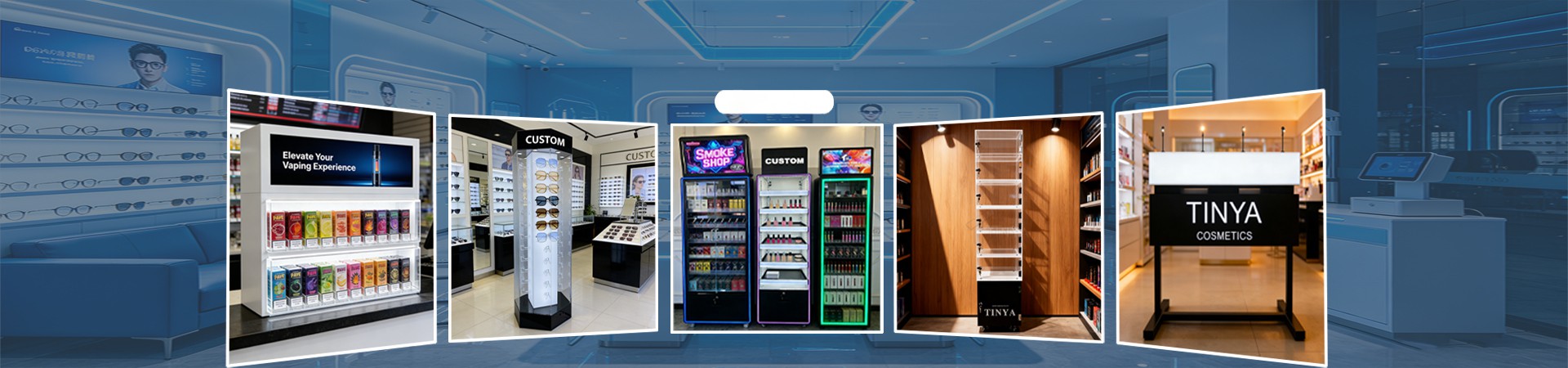
In today's rapidly evolving retail landscape, the checkout counter has become one of the most strategically important locations in convenience stores and supermarkets. It is no longer just the endpoint of a purchasing journey-it is a high-value merchandising zone where customer attention remains focused for a few seconds longer than anywhere else in the store. This pause creates an opportunity for retailers to encourage impulse purchases, showcase seasonal products, and improve product visibility. Acrylic counter display stands have emerged as one of the most effective merchandising solutions in this space due to their clarity, durability, and adaptability.
As retailers place growing emphasis on store layout optimization and visual merchandising, the demand for smart and space-efficient counter displays is steadily increasing. This article explores the three most widely used acrylic counter display stand types in convenience stores and supermarkets, analyzing how each design enhances product presentation, increases impulse sales, and meets the evolving operational needs of retail businesses.
1. Single-Layer Open Acrylic Display: Simplicity That Drives Impulse Purchases
The single-layer open acrylic display stand has become a staple across checkout counters worldwide. Its design is minimalist-typically a clear, shallow tray with an open front-yet it is consistently responsible for high conversion rates. These displays are strategically positioned to encourage quick customer decisions, especially for items costing under five dollars.
Why Retailers Prefer This Display Type
The single-layer open display is highly valued for its accessibility. Customers can pick up items with minimal effort, which is essential in a fast-paced retail environment. Convenience stores, for example, operate on tight checkout flows; any display that slows down customer movement or creates hesitation can negatively impact the entire process. The open acrylic design avoids this problem entirely.
These displays are especially effective for products that benefit from visual exposure, such as brightly packaged snacks, mints, candy bars, and promotional limited-time items. The transparent material ensures that every SKU remains clearly visible from multiple angles, allowing customers to make split-second decisions while waiting in line or interacting with the cashier.
Product Categories That Benefit Most
Retailers frequently use this display type for:
Gum and mints
Chocolate bars and energy bites
Small travel-size toiletries
Disposable lighters
Lip balms
Batteries
Seasonal novelty products
These are all classic impulse items-small, inexpensive, and purchased often without prior intention. By elevating their visibility at checkout, retailers can significantly increase basket value.


Retail Performance Analysis
According to retail merchandising studies, up to 70% of impulse purchase decisions happen at the checkout counter, and a well-designed open acrylic display can boost sales of featured items by 20–35%. It is also cost-efficient for retailers, as the simplicity of the design allows for quick restocking and easy cleaning, which is critical in high-traffic environments.
2. Multi-Tier Step Acrylic Display: Maximizing Visibility in Limited Space
Space efficiency is a central challenge for modern convenience stores, where every centimeter must contribute to sales performance. Multi-tier step acrylic displays provide a vertical merchandising solution that addresses this challenge by organizing products into layered levels, each at a slightly elevated position for maximum exposure.
The Visual Advantage of Tiered Displays
The step-style design allows each product on every row to be visible without obstructing the others. This is particularly valuable for small items that tend to be visually lost when displayed flat. The tiered structure creates a clear visual hierarchy, drawing customer attention naturally from the front row to the back.
From a psychological standpoint, tiered displays mimic a showroom effect. Items appear organized and premium, even if the products are everyday essentials. This perceived value elevation can influence a customer's willingness to purchase, especially when the products are arranged by color or category.
Typical Applications in Retail
Retailers use multi-tier acrylic displays for products such as:
Lip balms and cosmetics
Nail polish and small beauty items
Vitamin gummies and supplements
Mini energy drinks or small bottle beverages
Candy packs and small snack bags
Travel-size hygiene items
The structure is highly suitable for tightly packed, high-margin items that require clear differentiation. For cosmetics in particular, tiered acrylic stands are often preferred over cardboard or metal due to their clean, premium aesthetic.


Operational Benefits
From a practical standpoint, multi-tiered display shelves help store staff easily keep merchandise organized. Products can be grouped by flavor, brand, or SKU, preventing them from scattering and creating clutter like flat trays. This improves employee visibility of inventory and helps quickly identify out-of-stock items.
Retail Impact
Store audits consistently show that tiered displays can increase product visibility by up to 60%, which translates to improved customer engagement and higher impulse conversion. Brands launching new SKUs frequently choose tiered displays for their promotional periods because the structure allows them to showcase more varieties in the same amount of counter space.
3. Compartment Acrylic Display: Organized Merchandising for Multifunctional Items
Of all the display types used at checkout counters, the compartment-style acrylic display offers the highest degree of organization. It features multiple individual cells or grids, each designed to hold a specific product or product category. This structure is ideal for retailers who manage a wide assortment of small accessories, electronics, or high-rotation add-on products.
Solving Common Retail Pain Points
The key advantage of compartment displays is that they eliminate the clutter that often occurs at checkout counters. Small accessories such as charging cables, earbuds, keychains, and USB drives easily become tangled or misplaced when placed in open trays. Compartments ensure each SKU remains separate, tidy, and protected.
This organization also enhances the customer experience. Shoppers can clearly see each product without having to sift through a pile, reducing frustration and increasing the likelihood of a quick purchase.
Best-Fit Product Categories
Compartment acrylic displays are most often used for:
Phone accessories (cables, earphones, chargers)
Keychains and small gift items
Pocket-size tech gadgets
USB drives and memory cards
Earrings, hair accessories, and small fashion items
Travel-size personal care products
The customizability of compartment size and count makes this display type extremely flexible. Retailers frequently adjust grid dimensions to match new product launches.
Why Retailers Invest in This Type
This display design supports better inventory control. Staff can quickly identify which product variants are running low and restock them without disrupting the rest of the layout. Additionally, compartment displays reduce shrinkage by keeping products organized and visible, making it easier for staff to monitor inventory.
Performance Advantage
Industry data indicates that compartment-style displays can reduce SKU misplacement by over 50%, helping stores maintain a professional look while improving the efficiency of restocking.
Choosing the Right Display Type to Optimize Checkout Performance
As convenience stores and supermarkets continue to refine their merchandising strategies, the checkout counter remains a critical point for driving incremental revenue. The three acrylic display stand types-single-layer open displays, multi-tier step displays, and compartmented displays-each offer distinct advantages depending on the product categories and retail objectives.
Single-layer open displays maximize accessibility and are ideal for classic impulse items.
Multi-tier step displays provide visual hierarchy and allow retailers to showcase multiple SKUs efficiently.
Compartment displays keep small accessories or tech items neatly organized and easy to browse.
With their durability, transparency, and customizable design, acrylic display stands have proven to be a highly effective tool for modern retail environments. As consumer behaviors continue to shift toward quick decision-making and heightened visual awareness, the role of these displays at checkout counters will only grow in importance.
If integrated thoughtfully into store layouts, these display types can significantly boost impulse sales, improve customer experience, and elevate the overall visual quality of retail environments-making them essential components for any store looking to enhance both aesthetics and performance.


