

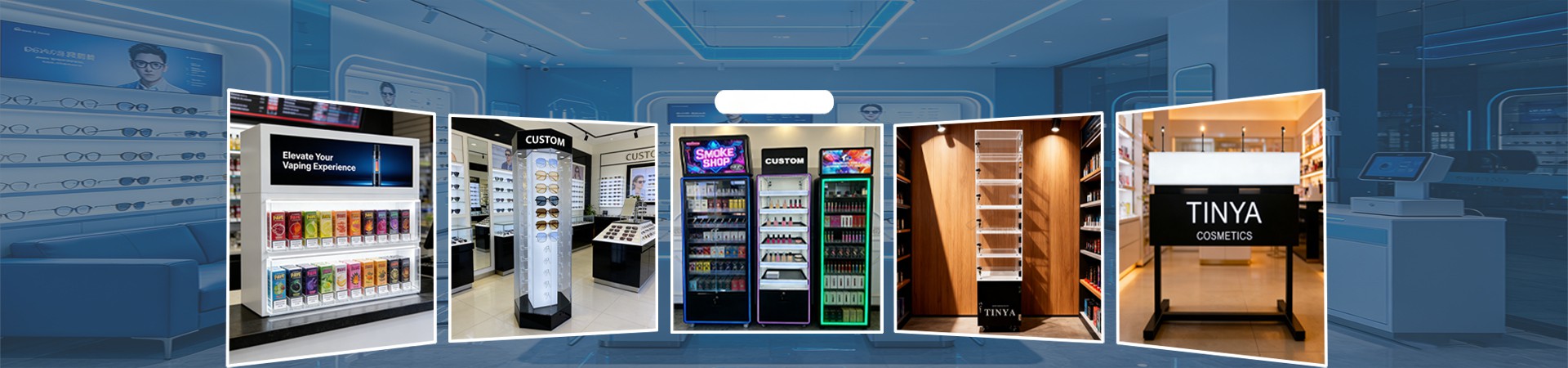
Structural Designs of Display Stands: Countertop, Floor-Standing, Wall-Mounted, Rotating, and Modular
In retail and brand marketing, the way a product is presented can be just as important as the product itself. A beautifully designed display stand does far more than hold merchandise-it draws the customer's attention, highlights the value of the item, and subtly guides purchasing decisions. This is why retail stores, trade shows, and showrooms around the world invest so heavily in the design and structure of display stands.
Among the wide variety of options available, five structural designs have become the most popular: countertop, floor-standing, wall-mounted, rotating, and modular displays. Each of these styles serves a unique purpose, with strengths and weaknesses that make them suitable for different products, spaces, and customer experiences. Let's take a closer look at each one in detail.
Countertop Display Stands
Countertop display stands are perhaps the most familiar and widely used type of stand. As the name suggests, these units are designed to sit on top of counters, reception desks, or checkout tables. Their size is typically compact, allowing them to fit neatly in areas where space is limited but customer attention is guaranteed.
The key advantage of countertop displays is that they capitalize on impulse buying behavior. For example, a shopper waiting in line at a pharmacy may not have planned to purchase a lip balm or a travel-sized sanitizer, but if those items are presented clearly and attractively right in front of them, the chance of a last-minute purchase skyrockets. This is why convenience stores, supermarkets, and electronics shops all rely on countertop displays to push small, high-margin products.
In terms of materials, acrylic is one of the most popular choices because of its transparency and polished look. Acrylic allows customers to see the product clearly from different angles, and it can be cut and shaped into creative forms using processes like laser cutting or heat bending. For budget-conscious retailers, PVC or ABS plastic can offer similar functionality at a lower cost, though the finish may be less premium. For brands that want to emphasize luxury, wood or metal countertop stands can create a high-end aesthetic that signals quality.
However, countertop stands do have limitations. Their compact size means they cannot hold a large volume of items, and if too many products are crammed into one unit, the stand quickly looks messy or overwhelming. This makes them best suited for small, lightweight items such as cosmetics, electronic accessories, or packaged snacks.


Floor-Standing Display Stands
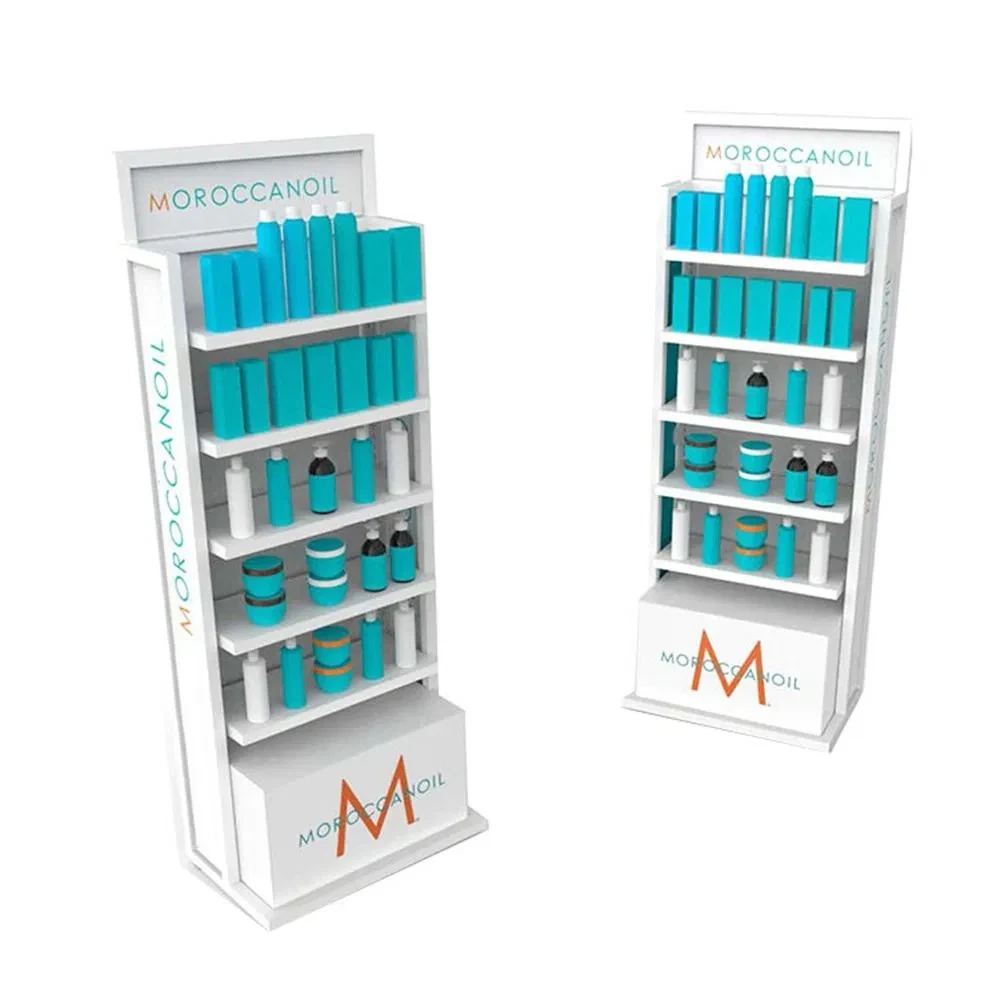
Moving up in scale, floor-standing displays are large, independent units designed to rest directly on the floor. These stands are often used as focal points in a store, either placed near entrances to grab attention or along aisles to encourage browsing. Because of their size, floor displays can hold much larger quantities of products compared to countertop models, making them ideal for retailers who want to highlight an entire collection or product category.
Imagine walking into a sportswear shop. At the entrance, you might see a tall floor-standing display showcasing the brand's latest sneakers. Not only does the stand hold multiple shoe sizes and colors, but its sheer presence also communicates that this is a key product line worth exploring. Similarly, a cosmetics brand launching a new perfume might use a floor-standing acrylic and wood display with built-in lighting to emphasize the elegance of the product.
Floor-standing displays are usually constructed from sturdy materials to handle the extra weight. Metal frames are common, sometimes combined with acrylic panels for a modern look or wood panels for a natural and sophisticated vibe. Because these stands are larger, they can incorporate additional design elements such as LED lighting, printed branding panels, or even digital screens.
The advantages of floor displays are clear: they are highly visible, versatile, and capable of holding larger product ranges.
However, they also require more investment, both in terms of production and in-store space. For small shops with limited floor area, a bulky stand might not be practical. But for malls, showrooms, or larger retail chains, they can become a powerful sales tool.

Wall-Mounted Display Stands
For stores where every square meter of space counts, wall-mounted displays are an excellent solution. These units are attached directly to walls, which keeps the floor area free for movement while still providing ample space to showcase products.
Wall-mounted stands are particularly effective in specialty stores. In an eyewear shop, for example, sleek acrylic panels or metal racks can be mounted on the wall to hold dozens of pairs of glasses in an organized, visually appealing arrangement. Customers can easily browse the selection without cluttering the floor. Similarly, in a liquor store, wall-mounted shelves might be used to showcase premium bottles, creating a "gallery-like" atmosphere.


The design of wall-mounted stands can vary greatly, from simple horizontal shelves to complex grid systems with hooks, trays, and lighting. Acrylic remains a popular material here, as it creates a clean and modern look while allowing the focus to stay on the product. For heavier items, metal brackets or wooden shelving may be more suitable.
The main advantage of wall-mounted designs is space efficiency. They allow retailers to maximize display area without sacrificing floor space. They also create a sense of order and organization that appeals to customers who prefer a tidy shopping experience. On the downside, wall-mounted units are generally fixed in place, making them less flexible if the store layout changes. They also have weight limitations, meaning they are not ideal for very heavy products.
Rotating Display Stands

Few display structures are as engaging as the rotating display stand. Designed to spin either manually or with a motor, these stands allow customers to view products from all sides without needing to walk around them. The result is not only space-saving but also an interactive browsing experience.
Rotating stands are common in stores selling small but varied products. In an optical store, for example, a rotating stand might hold dozens of pairs of sunglasses, with customers spinning the carousel to find the style they like. In gift shops or bookstores, rotating displays might showcase greeting cards, keychains, or small gadgets.
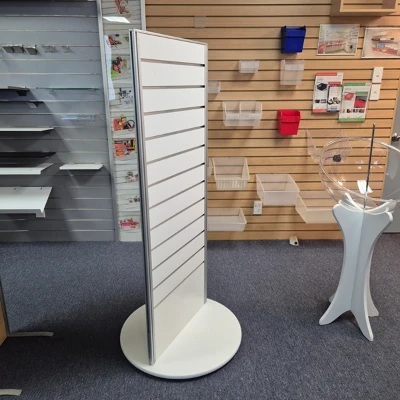
The key advantage of rotation is that it maximizes display capacity in a small footprint. A single stand can hold far more items than a stationary one of the same size. It also encourages customer interaction; the act of spinning the stand draws people in and keeps them engaged longer, which increases the likelihood of a purchase.
Manufacturing rotating stands can be more complex, as they require a stable base and smooth rotation mechanism. Materials such as metal frames combined with acrylic panels are common to balance durability with aesthetics. While these stands are effective, they are not ideal for very heavy products, as the rotation mechanism may wear out over time.
Modular Display Stands
Perhaps the most versatile option is the modular display stand. As the name suggests, modular stands are made of multiple components that can be assembled, disassembled, or reconfigured in different ways. This makes them extremely popular for exhibitions, trade shows, and large retail chains where display needs frequently change.
Imagine a tech company preparing for an international trade show. Instead of building a new booth for every event, the company invests in a modular display system. The same aluminum frame and acrylic panels can be rearranged into different shapes-sometimes a large backdrop, other times a series of smaller stands. This flexibility not only saves money over time but also ensures a consistent brand image across multiple events.
Modular displays are usually made from lightweight but strong materials such as aluminum frames with acrylic or MDF panels. The lightweight nature of these materials makes them easy to transport, while their strength ensures they can hold up through repeated use. Some modular systems also incorporate LED lighting, printed graphics, or digital screens to enhance the display.
The clear advantage of modular systems is adaptability. They can grow with your needs, making them an excellent long-term investment. However, the initial cost is often higher than fixed displays, and they may require staff with assembly knowledge. Despite these drawbacks, the flexibility of modular stands makes them a favorite among businesses that need to showcase products in multiple locations.

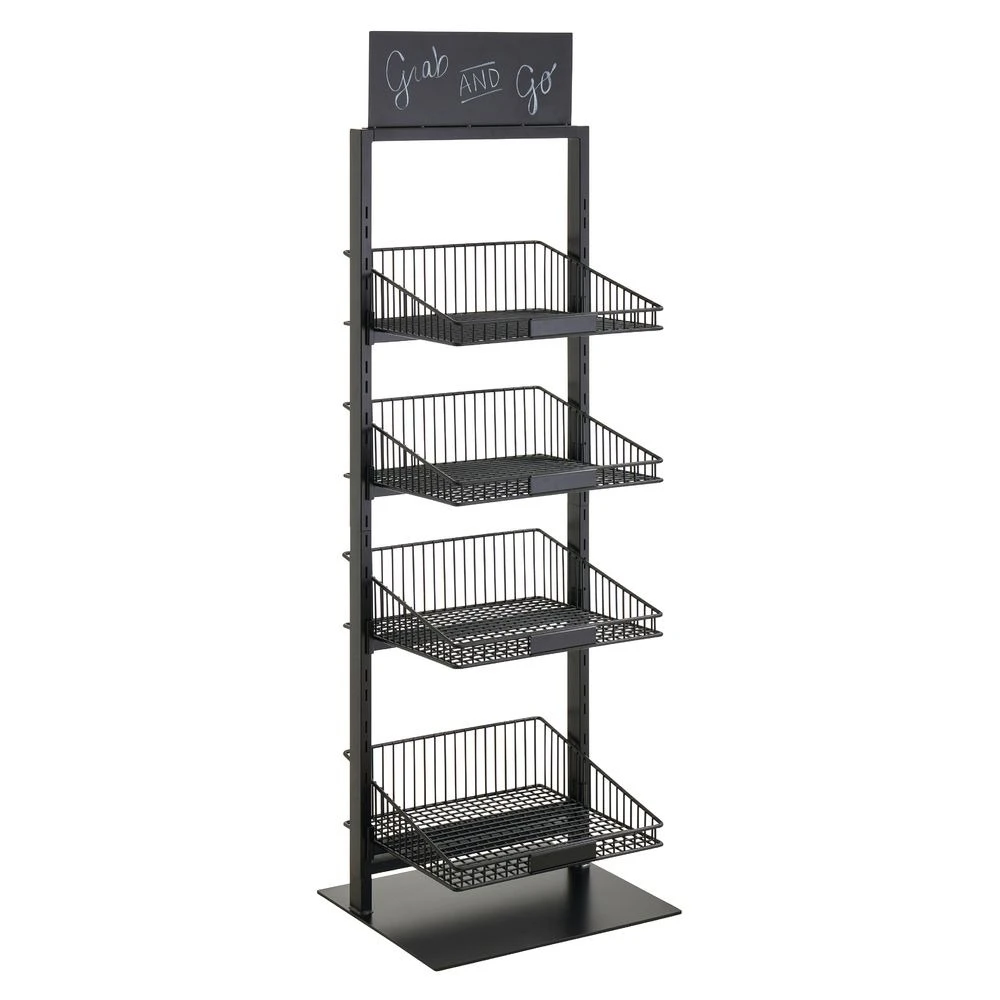
Each structural design of display stand-countertop, floor-standing, wall-mounted, rotating, and modular-has its own unique strengths. The choice depends on factors such as the type of product, available space, target audience, and budget. Countertop displays drive impulse purchases, floor-standing displays make bold statements, wall-mounted displays save space, rotating displays maximize interaction, and modular displays provide unmatched flexibility.
For businesses, the key is to match the stand design to both the product and the shopping environment. By doing so, a display stand becomes more than just furniture-it transforms into a strategic marketing tool that enhances brand image, improves customer experience, and ultimately increases sales.
contact us
Shenzhen Tinya Acrylic Display Co., Ltd., a professional manufacturer with over 20 years of experience in custom display production, has been a leader in China's acrylic display industry since 2005. We have our own design and engineering team. We offer free design services and refundable sample fees for mass production. We are Victoria's Secret certified and hold SGS/ISO9001/ROHS/SEXDE certifications. We support full OEM/ODM customization and a variety of payment options. If you would like more information on your design or details, please contact us today!