

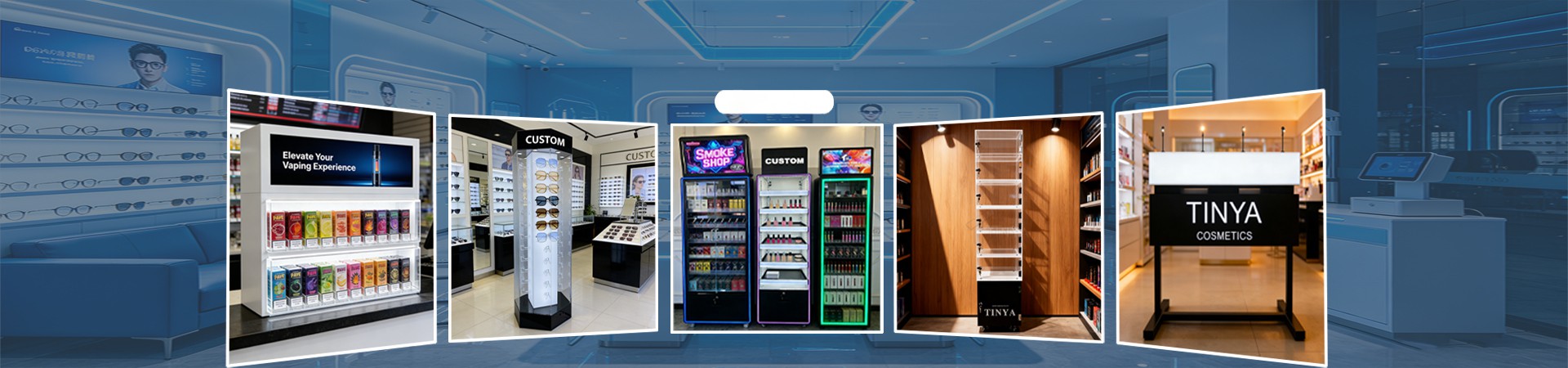

Walk into almost any shop right now - a pharmacy, a boutique, a coffee counter - and there's a good chance something clear, glossy, and quietly doing its job is sitting right by the register. That's a countertop acrylic display, and it's become so common that most shoppers don't even notice it anymore. Which, honestly, is kind of the point.
So what is it, exactly, and why has it taken over so much counter space in stores everywhere? Let's break it down.

So, What Exactly Is a Countertop Acrylic Display?
At its core, a countertop acrylic display is a small standing or tiered fixture made from acrylic sheet - a rigid, glass-clear plastic - designed to sit on a checkout counter, service desk, or retail shelf. It holds and presents small products: lip balms, sunglasses, jewelry, phone accessories, candy, business cards, you name it.
Unlike a cardboard box or a wooden tray, acrylic doesn't hide what's inside. That's the whole trick. Shoppers see the product from every angle before they've even picked it up, and that little bit of visual honesty tends to build trust fast.

Cast vs. Extruded Acrylic: The Difference Actually Matters
Here's something a lot of buyers don't realize until their first display cracks in shipping: not all acrylic is made the same way, and the manufacturing method changes everything about how the finished piece performs.
Cast acrylic is poured into molds and cured slowly. It's thicker, more scratch-resistant, and better suited for pieces that get touched constantly - which, on a busy counter, is basically every piece.
Extruded acrylic is pushed through rollers at high speed, which makes it cheaper and faster to produce, but softer and more prone to stress marks when laser-cut or bent.
For a countertop display that customers will pick up, spin around, and set back down a hundred times a day, cast acrylic is almost always the smarter call. A reputable manufacturer will tell you which one you're actually getting - and honestly, if they won't say, that's a red flag worth noting.

Why Retailers Keep Reaching for Acrylic
There's no single reason acrylic displays took over the counter - it's really a stack of small advantages that add up fast:
Visibility that sells itself: products are fully visible from any angle, no unboxing required
A premium look at a fraction of the cost of glass or custom millwork
Lightweight enough to rearrange a counter in seconds, without a second person
Resistant to daily wear - no dents, no rust, no water rings Easy to shape into risers, compartments, rotating stands, or branded logo cutouts
Simple to keep spotless with a quick wipe, which matters a lot for cosmetics and food-adjacent counters
Notice a theme? Every one of those points ties back to one question retailers ask themselves constantly: will this fixture help a product sell faster without slowing anyone down? Acrylic tends to answer yes on both counts.

Real Shelves, Real Results
A mid-size cosmetics boutique switched its lipstick testers from cardboard trays to a tiered acrylic riser and saw browsing time at the counter increase noticeably within the first month - shoppers simply lingered longer when they could see every shade lined up and catch the light bouncing off the glossy tubes.
A specialty candy shop swapped its bulk bins for individual acrylic compartments near checkout. Impulse purchases at the register climbed, and staff reported far less spillage and restocking hassle, since each compartment holds its shape instead of collapsing under weight like the old paper dividers.
A phone accessories kiosk in a mall corridor moved its chargers and cases from a pegboard wall to slim acrylic countertop stands. Foot traffic didn't change, but conversion at that particular kiosk did - shoppers could grab, inspect, and set an item back without fumbling with plastic hooks.
None of these are dramatic transformations. They're small, cumulative wins - the kind that add up over a quarter, not overnight. But that's usually how good retail fixtures work: quietly, in the background, doing exactly what they're built to do.
Countertop Acrylic Displays vs. Other Materials
|
Feature |
Countertop Acrylic |
Cardboard / Paper |
Wood or Metal |
|
Visual clarity |
Crystal-clear, glass-like shine |
Opaque, printed graphics only |
Opaque, relies on paint or finish |
|
Durability |
Withstands daily handling, resists cracking |
Crushes, tears, and sags within weeks |
Durable but heavy and prone to rust or dents |
|
Typical lifespan |
2–5+ years in active retail use |
Weeks to a few months |
Several years |
|
Customization |
Laser-cut shapes, engraving, printed logos, colored edges |
Print-only, limited shaping |
Costly tooling for custom shapes |
|
Weight & footprint |
Lightweight, slim counter footprint |
Lightweight but flimsy |
Heavy, bulkier footprint |
|
Cost over time |
Higher upfront, low replacement cost |
Cheapest upfront, frequent reorders |
High upfront and shipping cost |


Where TINYA Fits In
Here's the honest truth: plenty of factories can cut a flat sheet of acrylic into a box shape. Far fewer can walk a buyer through cast-versus-extruded material choices, hold tight tolerances on laser-cut joints, and still deliver on a tight retail launch calendar without the finished piece arriving scratched or warped.
TINYA works from Guangdong, a region built around precision manufacturing, and focuses specifically on retail display and small-format acrylic products - countertop risers, tiered stands, compartmentalized trays, and custom-shaped fixtures built to a buyer's own branding. Design uncertainty, material quality questions, and the headaches of importing from overseas are the three things that trip up most first-time buyers, and they're also the three things a manufacturing partner with real OEM and ODM experience is built to handle.
Whether a retailer needs a single sample run to test at one location or a full rollout across dozens of stores, having a partner who understands both the material science and the retail floor - not just one or the other - tends to make the difference between a display that looks good in a photo and one that actually holds up after month three of daily handling.
Frequently Asked Questions
1.What is a countertop acrylic display used for?
It's used to present and organize small retail products - cosmetics, jewelry, accessories, candy, or promotional items - on a checkout counter or service desk, where visibility and easy access matter most.
2.How long does a countertop acrylic display typically last?
A well-made cast acrylic display can hold up for several years of daily retail handling, far outlasting cardboard or paper fixtures, which usually need replacing within weeks.
3.Is acrylic more expensive than cardboard displays?
Upfront cost is higher, yes. But because acrylic doesn't need constant reordering the way cardboard does, most retailers find the cost per month of actual use ends up lower.
4.Can countertop acrylic displays be customized with a logo?
Yes - laser engraving, printed graphics, colored edges, and custom-cut shapes are all standard options with most acrylic manufacturers, TINYA included.
5.What's the difference between cast and extruded acrylic for displays?
Cast acrylic is thicker, more scratch-resistant, and better suited to pieces handled constantly, while extruded acrylic is cheaper but more prone to stress marks during cutting and daily use.
