

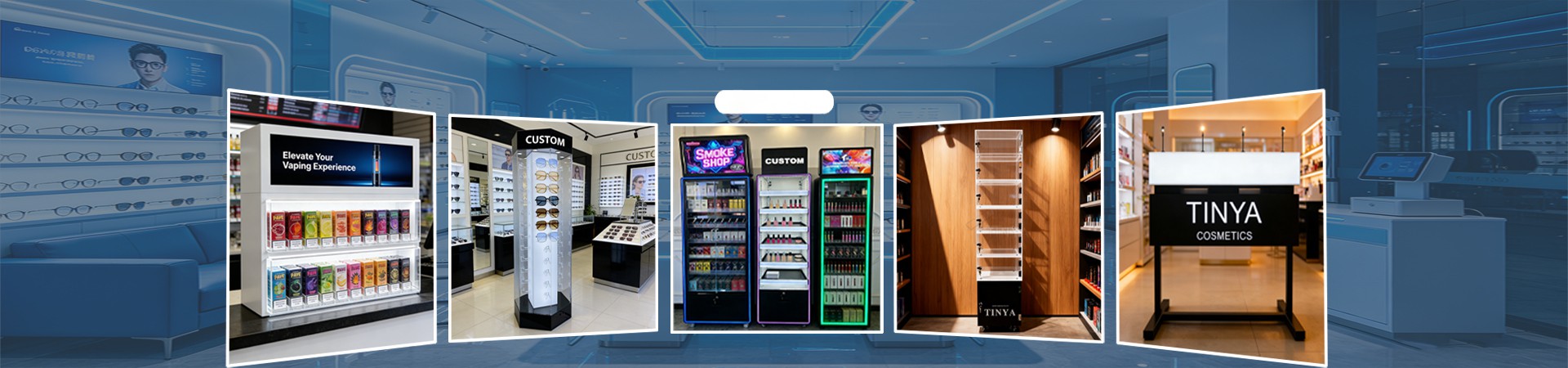
Acrylic transforms retail spaces with its luminous presence, but few appreciate the meticulous journey behind every flawless display. Understanding this process elevates your expectations and ensures your investment delivers lasting impact. Let's trace the metamorphosis of industrial sheets into precision showcases.
The Foundation: Choosing Your Acrylic DNA
The journey begins with material selection, where chemistry dictates destiny. Two primary acrylic types dominate premium displays:
Cast Acrylic emerges through a patient alchemy. Liquid methyl methacrylate pours between glass plates, curing slowly like fine resin. This molecular dance creates unmatched optical purity – 92% light transmission surpassing standard glass. Its internal structure withstands five times more impact than glass, making it the aristocrat of museum cases and curved displays. When lasers touch cast acrylic, they leave crisp edges without toxic fumes, a critical advantage for intricate branding.
Extruded Acrylic takes a more industrial path. Polymer pellets melt through heated rollers, emerging as uniform sheets. While sacrificing some optical brilliance, extruded sheets offer remarkable consistency (±0.1mm thickness tolerance) and 30% cost savings. This workhorse material excels in flat shelving, back panels, and high-volume projects where precision meets practicality.

Phase 1: Precision Transformation
CNC Cutting
The symphony begins as diamond-tipped blades or lasers kiss the sheet. Computer-guided tools carve components with surgical precision, optimizing material usage while aligning the acrylic's molecular grain with stress points. Cast acrylic demands slower cutting speeds – rushing creates heat fractures that haunt displays later. This stage defines structural integrity: a 0.5mm deviation here can render sliding doors unusable.

Engraving
Where cutting shapes, engraving breathes personality. Laser beams vaporize microscopic trenches for logos or light-diffusing patterns. For luxury displays, V-groove carving creates prismatic effects that scatter LED light like crushed diamonds. Depth remains critical – exceeding 30% of material thickness risks creating fracture lines. The best fabricators adjust power settings hourly to account for humidity's effect on beam focus.
Edge Alchemy
Raw-cut acrylic edges resemble frosted glass – hazy and light-scattering. Polishing transforms this weakness into strength:
- Flame Polishing: A 1,000°C hydrogen torch momentarily melts the edge into liquid crystal, achieving glass-like clarity. Reserved for customer-facing edges where light plays.
- Diamond Polishing: Wheels coated with industrial diamonds grind edges through twelve grit stages, creating matte or beveled finishes. The only option for thick displays where flame causes internal bubbles.


Phase 2: Engineering Functionality
Precision Machining
Here, displays evolve from static objects to interactive systems. CNC routers carve:
- Invisible slots for gravity-fed pusher systems
- Channels for LED strips that glow without hotspots
- Grooves for sliding doors with 0.3mm tolerance
Vacuum beds hold sheets during machining – any vibration creates "chatter marks" that haunt final assembly. Dust extraction is paramount; acrylic shavings melt onto bits at 160°C, ruining cutting edges.
Visual Storytelling
Decoration merges art with molecular science:
- Screen Printing: Silk mesh presses ink through stencils, embedding pigments 0.2mm deep. Ideal for bold logos surviving years of cleaning.

- UV Printing: Digital printers deposit ink droplets cured instantly by ultraviolet lamps. The photo-realistic graphics don't just sit on the surface – UV energy fuses them with acrylic polymers, creating scratch-resistant narratives.

Edge Refinement
Machined slots leave microscopic ridges. Craftsmen hand-scrape edges with surgical tools, progressing through nine abrasive tapes (400 to 3000 grit). This obsessive detail prevents light diffusion in LED-lit displays – a critical step often overlooked in mass production.
Phase 3: The Final Transformation
Assembly
Components unite through chemistry or mechanics:
- Solvent Bonding: Capillary action draws methylene chloride between pieces. As the solvent evaporates, it fuses acrylic at the molecular level, creating joints stronger than the parent material.
- Mechanical Joinery: For demountable displays, stainless steel hardware engages with acrylic's flexibility, allowing reassembly without degradation. Sliding doors demand nylon rollers and hardened steel tracks – anything less screeches within months.
Purification
Final cleaning is a three-act ritual:
1. Ionized air blasts static-charged dust from crevices
2. Distilled water and 99% isopropyl alcohol dissolve fingerprints without leaving mineral ghosts
3. Anti-static coatings applied via microfiber create an invisible shield against dust – critical for displays near store entrances
As master fabricator Elena Torres notes: "We don't polish edges for beauty alone. A perfectly flame-polished edge has 300% more crack resistance than a machined edge. That's the difference between a display lasting two seasons versus a decade."
Understanding acrylic's journey transforms procurement from commodity purchasing to technical partnership. When you next evaluate a display, ask not just about thickness or cost, but about diamond grit sequences, solvent cure times, and static dissipation protocols. These invisible details separate temporary fixtures from enduring brand statements.